


After shocking a pool, it is generally safe to swim once the chlorine levels return to a safe range, typically between 1-3 parts per million. This usually takes about 24 hours, but it can vary based on the type of shock used and the pool’s chemical balance.
Pool Shock Types and Their Chemical Impact
Understanding the different types of pool shock and their chemical impacts is crucial for maintaining a safe swimming environment. Each type of shock serves a specific purpose and affects water chemistry in unique ways, influencing how long you should wait before swimming. This section will explore these variations to help you make informed decisions about pool maintenance.
Different types of pool shock have varying effects on water chemistry. Common shock treatments include calcium hypochlorite, sodium dichlor, and potassium monopersulfate. Each type affects chlorine levels and pH differently.
-
Calcium Hypochlorite: Raises calcium levels and chlorine.
-
Sodium Dichlor: Stabilized form of chlorine, less impact on pH.
-
Potassium Monopersulfate: Non-chlorine shock, primarily oxidizes contaminants.
Knowing the type of shock used helps determine when swimming is safe.
Post-Shock Chemical Level Monitoring
After shocking a pool, it’s crucial to monitor the chemical levels before swimming. This ensures not only the safety of swimmers but also the effectiveness of the shock treatment. Understanding the timeline and necessary adjustments can help maintain a balanced and healthy swimming environment.
After shocking the pool, monitoring chemical levels is essential. Testing kits can provide immediate feedback on chlorine and pH levels. Regular testing ensures water remains safe for swimming.
| Chemical Level | Safe Range | Test Frequency |
|---|---|---|
| Chlorine | 1-3 ppm | Daily |
| pH | 7.2-7.8 | Weekly |
| Alkalinity | 80-120 ppm | Monthly |
Testing for these levels helps maintain a balanced pool environment.
Recommended Products
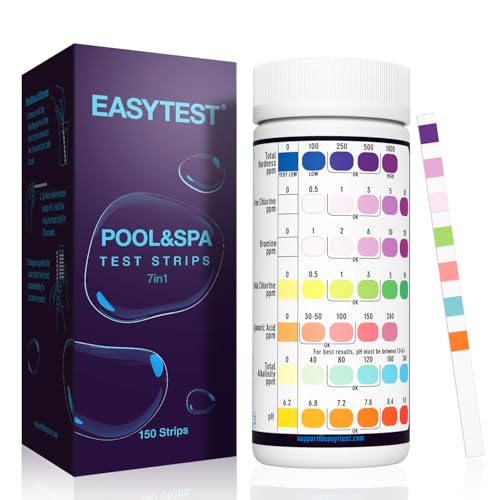
AFFORDABLE 150 STRIPS: This water chemical testing kit contains 150 test strips. Enough balanced for your swimming pool, hot tub, spa and other water testing. At least testing twice a week is recommended to keep your pool sparkling clean and safe.
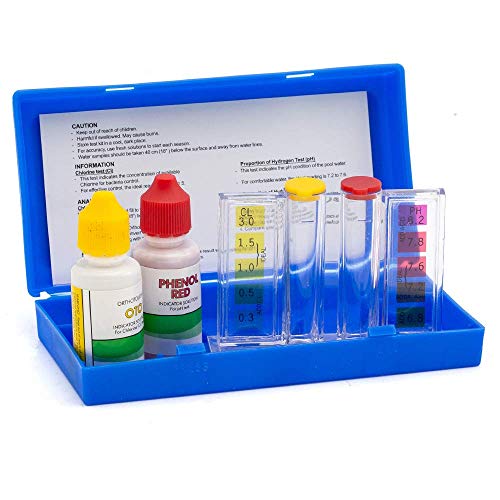
2 Way Pool Water Test Kit For Test For OTO, CL, and PH Level

3-Way Water Test Kit: Save both time and money with these convenient refill packs designed specifically for your 3-way test kit. Ensure you always have the supplies you need on hand for accurate and hassle-free water testing.
Chlorine Stabilization Before Swimming
Understanding chlorine stabilization is crucial for ensuring a safe swimming environment. After a shock treatment, the balance of pool chemicals can be affected, potentially posing health risks. This section explores how long you should wait for chlorine levels to stabilize before diving back into the water.
Swimming should only resume once chlorine levels stabilize within the safe range. High chlorine levels can irritate skin and eyes. A simple test can confirm when it is safe to swim.
-
Test the Water: Use a reliable test kit.
-
Wait for Results: Allow time for chlorine to dissipate if levels are high.
-
Re-test if Necessary: Ensure levels remain stable before swimming.
Typically, this process takes around 24 hours, but it may vary based on environmental factors.
Recommended Products

LARGEST POOL TESTING STRIPS: Extra long strips with the largest pads and color chart for the clearest chemical readings. Every batch is lab tested to guarantee accuracy and quality
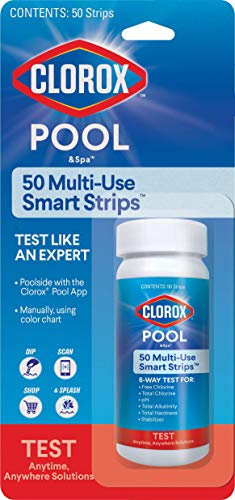
Test Like an Expert: Maintain perfectly balanced pool water with 6-Way Multi-Use Test Strips and the complimentary Clorox Pool app. The app gives do-it-yourself pool owners the tools to proudly and confidently maintain a swim-ready pool all season long.

LAB-TESTED FOR ACCURACY: Take the guesswork out of routine water checks with our lab-tested pool test strips. Compare the strip colors with the bottle chart to monitor water chemistry and help guide pool and spa maintenance.
Impact of Sunlight and Temperature on Chlorine Levels
Sunlight and temperature play crucial roles in determining chlorine levels in swimming pools. UV rays from the sun can rapidly deplete chlorine, while higher temperatures can increase the rate of evaporation and chemical reactions. Understanding these factors is essential for maintaining a safe swimming environment, especially after a shock treatment.
Environmental conditions can influence how quickly chlorine levels drop. Sunlight, water temperature, and pool usage all play a role. Understanding these factors can help in planning when to swim.
-
Sunlight: UV rays can reduce chlorine levels faster.
-
Temperature: Warmer water may require more frequent shocking.
-
Pool Usage: More swimmers can lead to quicker chlorine depletion.
Adjusting for these factors can help maintain a safe swimming environment.
Swimming Safety After Pool Shocking
Understanding when it is safe to swim after shocking a pool is crucial for both safety and enjoyment. The timing depends on various factors, including the type of shock used and the pool’s chemical balance. This section will clarify the recommended waiting periods and the importance of ensuring proper water conditions before diving in.
Before jumping back in the pool, take necessary safety precautions. Ensure that all chemical levels are balanced and that the pool is clean. This will enhance the swimming experience and minimize health risks.
-
Check for Debris: Remove any floating debris or contaminants.
-
Inspect Water Clarity: Clear water indicates proper chemical balance.
-
Educate Swimmers: Inform everyone about safe swimming practices.
Following these precautions ensures a safe and enjoyable swimming experience.
Recommended Products
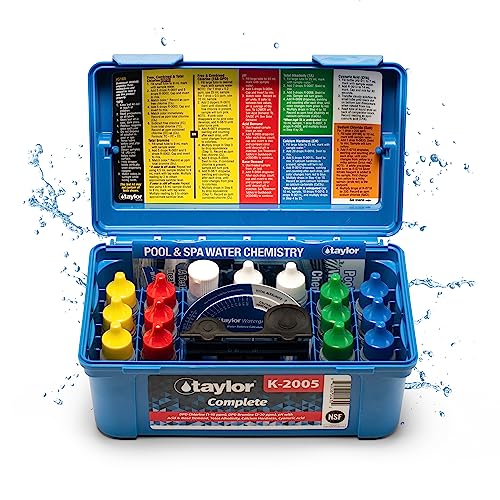
Reliable Results In Seconds – Everything you need to test your pool or spa is conveniently packaged in the handy storage case, including a comparator to mix samples, and 13 easy-to-use reagents for 9 common water test parameters for DPD testing: Free & Total Chlorine, Total Bromine, pH, Acid & Base Demand, Total Alkalinity, Calcium Hardness, and Cyanuric Acid (CYA)
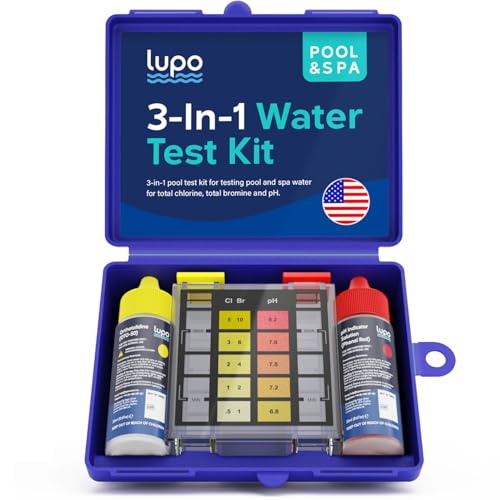
3-IN-1 POOL TESTING KIT: An easy-to-use, accurate pool test kit for testing three essential water quality parameters in residential pools and spas: Total Chlorine, Total Bromine, and pH. Includes enough reagents for 100 tests, helping keep your water safe, clean, balanced, and ready to use anytime.

Reliable Results In Seconds – Everything you need to test your pool or spa is conveniently packaged in the handy storage case, including a comparator to mix samples, and 8 easy-to-use reagents for 6 common water test parameters for DPD testing: Free & Total Chlorine, Bromine, pH, Acid Demand, and Total Alkalinity.
Swimming Safety After Pool Shocking
Understanding the timing for swimming after shocking a pool is crucial for safety and enjoyment. Proper chemical balance is essential to prevent skin irritation and other health issues. This section will explore the recommended waiting periods and factors that influence when it is safe to return to the water after pool shocking.
Swimming too soon after shocking can lead to skin irritation and other health issues. Always confirm that chemical levels are within safe ranges before entering the pool.
