


The safe time to drive after drinking alcohol varies based on several factors, including the amount consumed and individual metabolism. Generally, it is advised to wait at least one hour per standard drink before driving to ensure sobriety.
Blood Alcohol Concentration Influencing Factors
Understanding the factors that influence blood alcohol concentration is crucial for determining when it is safe to drive after consuming alcohol. Various elements, such as body weight, metabolism, and the type of alcohol consumed, can significantly affect how alcohol impacts an individual. This section delves into these factors to provide a clearer picture of sobriety and driving safety.
Blood Alcohol Concentration (BAC) is the key metric for determining sobriety. It measures the percentage of alcohol in a person’s bloodstream. Different factors influence BAC levels, including:
-
Body weight: Heavier individuals may process alcohol more efficiently.
-
Gender: Women often have higher BAC levels than men after consuming the same amount of alcohol.
-
Metabolism: Individual metabolic rates can significantly impact how quickly alcohol is processed.
| Factor | Influence on BAC | Example Impact |
|---|---|---|
| Body Weight | Higher weight typically lowers BAC | A 180-pound man vs. a 120-pound woman |
| Gender | Women generally have higher BAC | Same drinks consumed |
| Time | Longer time allows for more alcohol processing | Waiting after drinking |
Recommended Products

Quick Results: Learn your blood type in just a couple of minutes with this easy-to-use testing kit

Self-collected saliva sample

This kit allows you to determine ABO/Rh blood type in under five minutes. Kit includes enough material for one test
Estimating Wait Time Based on BAC
Understanding how long to wait after drinking alcohol before driving is crucial for safety. Blood Alcohol Concentration, or BAC, plays a significant role in determining when it is safe to get behind the wheel. This section will explore how to estimate wait times based on BAC levels to help ensure responsible driving.
To determine how long to wait before driving, consider the following guidelines. Each standard drink raises BAC by approximately 0.02%. The following table provides a rough estimate of how long to wait based on BAC levels:
| BAC Level | Time to Wait |
|---|---|
| 0.02% | 1 hour |
| 0.08% | 4 hours |
| 0.10% | 5 hours |
| 0.15% | 7.5 hours |
A BAC of 0.08% is the legal limit in many regions. Waiting longer than the calculated time is advisable to ensure safety.
Recommended Products

ESTIMATE YOUR ALCOHOL LEVEL WITH PRO-GRADE ACCURACY - Powered by BACtrack's patented BluFire Fuel Cell Sensor, the C6 utilizes the same professional-grade technology trusted by hospitals, clinics, and even law enforcement.

ESTIMATE YOUR ALCOHOL LEVEL WITH PRO-GRADE ACCURACY - Powered by BACtrack's patented BluFire Fuel Cell Sensor, the C8 utilizes the same professional-grade technology trusted by hospitals, clinics, and even law enforcement

PRO-GRADE ACCURACY - Powered by BACtrack's platinum-based Xtend Fuel Cell Sensor, the Element utilizes the same professional-grade technology trusted by hospitals, clinics, and even law enforcement.
Alcohol Metabolism Influencing Factors
Understanding the factors that influence alcohol metabolism is crucial for determining when it is safe to drive after drinking. Various elements, including body weight, age, gender, and overall health, play significant roles in how quickly alcohol is processed in the body. This section delves into these factors to provide a clearer picture of sobriety and driving safety.
Understanding how alcohol is metabolized can help in making informed decisions. The liver processes alcohol at a rate of about 0.015% BAC per hour. Other factors include:
-
Food consumption: Eating slows alcohol absorption.
-
Hydration: Drinking water can help mitigate dehydration effects.
-
Health conditions: Liver health directly impacts alcohol processing.
Alcohol Consumption Safety Guidelines
Understanding the safety guidelines surrounding alcohol consumption is crucial for responsible drinking and driving. These guidelines provide essential information on how long you should wait after consuming alcohol before getting behind the wheel. By following these recommendations, you can significantly reduce the risk of accidents and ensure a safer driving experience for yourself and others.
To ensure safety when consuming alcohol, follow these guidelines:
-
Limit intake: Stick to one drink per hour.
-
Choose non-alcoholic alternatives: Opt for soft drinks or mocktails.
-
Plan ahead: Arrange for a designated driver or use rideshare services.
Consequences of Driving with High BAC
Driving with a high blood alcohol concentration can lead to severe consequences, both legally and personally. Understanding the risks associated with impaired driving is crucial for making informed decisions. This section explores the potential repercussions of operating a vehicle while under the influence, highlighting the importance of sobriety before getting behind the wheel.
Driving with a BAC over the legal limit can result in severe penalties. Consequences may include:
-
Fines: Monetary penalties vary by jurisdiction.
-
License suspension: Temporary or permanent loss of driving privileges.
-
Criminal charges: Potential jail time or community service.
Impaired Driving Risks and Guidelines
Understanding the risks associated with impaired driving is crucial for ensuring safety on the roads. This section delves into the dangers of driving under the influence of alcohol, highlighting the effects on judgment and reaction times. It also provides essential guidelines to help individuals make informed decisions about when it is safe to get behind the wheel after consuming alcohol.
Never drive if you feel impaired, regardless of BAC levels.
Sobriety Strategies for Safe Driving
Understanding how to achieve sobriety after drinking is crucial for ensuring safe driving. This section explores effective strategies to help individuals regain their clarity and judgment, enabling them to make responsible choices behind the wheel. By implementing these techniques, drivers can better assess their readiness to operate a vehicle safely.
Implementing practical strategies can enhance safety after drinking. Consider these actions:
-
Track your drinks: Keep a count of what you consume.
-
Use BAC calculators: Online tools can provide estimates based on your inputs.
-
Stay informed: Understand local laws regarding alcohol and driving.
Recommended Products

- 🚗 **High Accuracy & Sensitivity**: Equipped with a sensitive semi-conductor sensor, this breathalyzer provides quick and accurate readings to determine if you are safe to drive. Ensure your safety with reliable results every time.
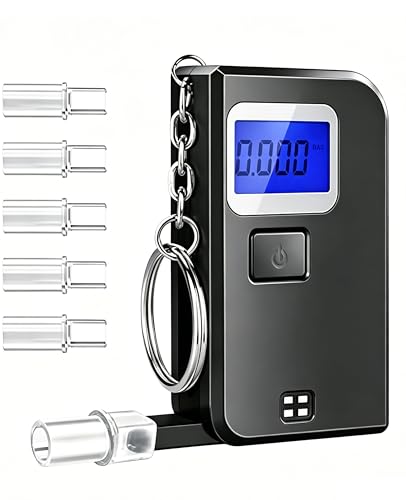
Professional High Accuracy: Adopts 2026 Upgraded High-Precision semiconductor sensor to deliver fast, stable and reliable alcohol concentration readings. Provide reliable readings, a must-have portable tester for drinkers.

The Evils of Alcohol are many. Why give up reading isn't one of them. Funny apparel gets to the heart of the matter. Design features the words with two wine glasses and Alcohol in red. Heed the warning, don't drive, and have to take a breathalyzer.
Sobriety Assessment and Driving Safety
Understanding your sobriety level is crucial for ensuring safe driving after consuming alcohol. This section delves into effective methods for assessing your sobriety, highlighting key factors that influence your ability to operate a vehicle safely. By recognizing these elements, you can make informed decisions about when it is safe to get behind the wheel.
Always err on the side of caution. If uncertain about your sobriety, do not drive.
