


Assessing whether it is safe to walk your dog requires checking current weather conditions and understanding potential hazards. Factors such as temperature, precipitation, and air quality play crucial roles in ensuring your dog’s safety during outdoor activities.
Assess Temperature and Precipitation Risks
When considering whether it’s safe to walk your dog, understanding the current temperature and precipitation levels is crucial. Extreme weather conditions can pose significant risks to both you and your pet, affecting their comfort and safety during outdoor activities. This section delves into how to assess these environmental factors effectively.
Before heading out, check the temperature and precipitation levels. Extreme heat can lead to overheating, while cold weather poses risks of frostbite. Rain can create slippery surfaces, increasing the chance of injury.
Recommended Products

Quick-Read Temperature Measurements: The digital display provides accurate temperature measurements in degrees Fahrenheit wherever the thermometer is located.
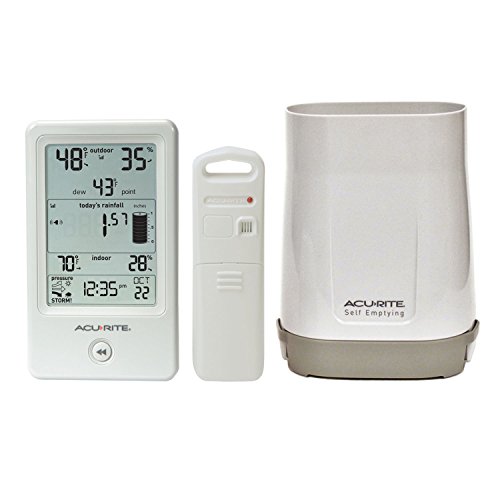
Self-emptying rain collector measures rainfall in your backyard and wirelessly transmits readings to an indoor digital display (100-foot; 30 meter range)
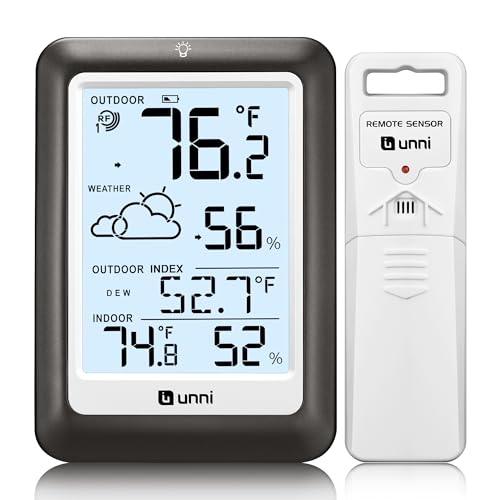
HIGH-PRECISION TEMPERATURE HUMIDITY GAUGE – Our air indoor thermometer and hygrometer has a Swiss-made high-precision sensirion sensor that makes it extremely accurate! The indoor temperature range is +14.2ºF~+122ºF, the outdoor temperature range is -58ºF~+158ºF, the indoor/outdoor humidity range is 1~99%, the temperature accuracy is +/-0.5ºF and the humidity accuracy is +/-2%.
Dog Walking Temperature Safety Standards
Understanding the temperature safety standards for dog walking is essential for ensuring your pet’s well-being. Extreme weather conditions can pose risks, making it crucial to know the safe temperature ranges for outdoor activities. This section provides insights into the optimal conditions for walking your dog, helping you make informed decisions based on current weather conditions.
Understanding temperature thresholds is essential for safe dog walking. Different breeds have varying tolerances to heat and cold.
| Temperature Range | Safety Level | Recommended Action |
|---|---|---|
| Above 85°F | Caution | Limit walks to early morning or late evening |
| 70°F – 85°F | Safe | Regular walks are fine |
| 32°F – 70°F | Caution | Monitor for signs of discomfort |
| Below 32°F | High Risk | Limit outdoor exposure |
Dog Safety in Rainy and Windy Conditions
Walking your dog in rainy and windy conditions presents unique challenges that can affect their safety and comfort. Understanding how to navigate these weather elements is crucial for ensuring a safe outing. This section explores key considerations and tips for keeping your dog secure and happy during inclement weather.
Rain and wind can affect your dog’s comfort and safety. Wet conditions may lead to slips and falls, while strong winds can cause anxiety in some dogs.
-
Use a waterproof coat for your dog to keep them dry.
-
Choose sheltered paths to minimize exposure to wind.
-
Check for debris that may be blown onto walking paths.
Evaluate Air Quality for Dog Safety
When considering whether it’s safe to walk your dog, evaluating air quality is crucial. Poor air conditions can pose health risks to pets, especially those with pre-existing respiratory issues. Understanding the current air quality can help ensure your furry friend enjoys a safe and pleasant outing.
Air quality significantly impacts your dog’s health. Poor air quality can lead to respiratory issues, especially in breeds prone to breathing problems.
Recommended Products

【Professional 10-in-1 Air Quality Monitor】This professional 10-in-1 air quality monitor accurately measures carbon dioxide (CO2), formaldehyde (HCHO), total volatile organic compounds (TVOC), temperature, humidity, AQI, PM2.5, PM1.0, PM10 in real time, and features a clock (Connect your phone to the monitor via Bluetooth: MT13S, and it will automatically calibrate the time). It helps you keep track of your indoor air quality at a glance, making it ideal for home use.

7-in-1 Air Quality Monitor with Upgraded Dart Sensor – Track PM2.5, PM10, HCHO, VOCs, humidity, temperature, and AQI in one device. Powered by a laser particle sensor (3-year designed lifespan) and Dart electrochemical HCHO sensor – not cheap semiconductor – delivering lab-tested accuracy with R² up to 0.999. Real-time AQI calculation included.
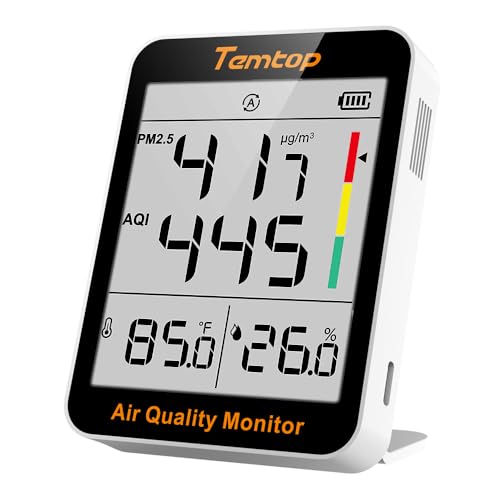
Improve Your Comfort & Health: Air Quality Monitor + Indoor Thermometer This smart air quality monitor continuously tracks PM2.5 and AQI, while also serving as a precise indoor thermometer and thermo-hygrometer for temperature and humidity. Understand whether your environment is both healthy and comfortable.
Air Quality Index Categories Explained
Understanding the Air Quality Index is crucial for dog owners who want to ensure their pets’ safety during outdoor walks. This section breaks down the different categories of air quality, helping you assess whether conditions are suitable for your dog. By knowing what each level means, you can make informed decisions about when to venture outside.
The Air Quality Index (AQI) provides valuable information. Familiarize yourself with the following categories:
| AQI Level | Health Concern | Recommended Action |
|---|---|---|
| 0-50 | Good | Normal outdoor activities |
| 51-100 | Moderate | Limit strenuous activities |
| 101-150 | Unhealthy for sensitive groups | Avoid outdoor walks |
| 151+ | Unhealthy | Stay indoors |
Dog Safety During Allergy Seasons
As allergy seasons bring a surge of pollen and other irritants, it’s essential to consider your dog’s safety during walks. Understanding how weather conditions and allergens can affect your pet’s health will help you make informed decisions about outdoor activities. This section explores the best practices for keeping your dog safe and comfortable during these challenging times.
Seasonal allergies can affect dogs just as they do humans. Monitor pollen counts during spring and fall.
-
Limit walks during high pollen days.
-
Bathe your dog after walks to remove allergens.
-
Consult your veterinarian for allergy management options.
Check Local Hazards and Safety
Before taking your dog for a walk, it’s essential to assess any local hazards that could impact your safety and your pet’s well-being. Weather conditions, environmental factors, and potential dangers in your area can significantly influence the safety of your outing. This section will help you identify and evaluate these risks effectively.
Local conditions can pose additional risks. Always be aware of your surroundings before heading out.
Recommended Products

***BATTERY POWERED — Uses CR2032 batteries. NOT USB RECHARGEABLE.

One Size to Fit All: The collar measures 70cm in length

One Size to Fit All: The collar measures 70cm in length. But it can be easily trimmed from either end to make it fit the required size. Perfect for spaniel, labrador, hound, german shepherd, collie and more.
Local Weather Hazards for Dog Walking
When considering a walk with your dog, it’s crucial to be aware of local weather hazards that could impact safety. Factors such as extreme temperatures, precipitation, and wind conditions can pose risks to both you and your pet. Understanding these elements will help ensure a safe and enjoyable outing for you and your furry companion.
Be mindful of the following potential hazards:
-
Construction sites can lead to noise and debris.
-
Wildlife encounters may pose a threat to your dog.
-
Uneven terrain can cause injuries.
Essential Safety Gear for Dog Walks
When venturing out for a dog walk, having the right safety gear is crucial for both you and your pet. This section highlights essential items that can enhance your walk, ensuring comfort and protection against various weather conditions and potential hazards. Equip yourself with the right tools to make every outing safe and enjoyable.
Investing in safety gear can enhance your dog’s protection during walks.
-
Reflective collars help increase visibility at night.
-
Booties protect paws from hot pavement or cold surfaces.
-
Leashes with handles provide better control in crowded areas.
Emergency Preparedness for Dog Walks
When heading out for a walk with your dog, it’s crucial to consider emergency preparedness, especially in unpredictable weather conditions. Being equipped with the right knowledge and tools can help ensure both you and your pet stay safe during your outing. This section outlines essential tips for navigating potential emergencies while enjoying your time outdoors.
Being prepared for emergencies can make a significant difference in your dog’s safety.
Emergency Supplies for Dog Walks
When heading out for a walk with your dog, being prepared for unexpected situations is crucial. Having the right emergency supplies can make a significant difference in ensuring both you and your pet stay safe and comfortable. This section outlines essential items to carry during your walks, helping you respond effectively to any unforeseen circumstances.
Carry a few items to handle unexpected situations:
| Item | Purpose |
|---|---|
| First aid kit | Treat minor injuries |
| Water bottle | Hydration during walks |
| Poop bags | Clean up after your dog |
Identifying Canine Distress Signals
Understanding your dog’s body language and behavior is crucial for ensuring their well-being during walks, especially in varying weather conditions. This section highlights key distress signals that can indicate your dog is uncomfortable or in need of a break. Recognizing these signs can help you make informed decisions about your dog’s safety and comfort while out and about.
Stay vigilant for signs that your dog may be uncomfortable or in distress.
-
Excessive panting
-
Refusal to walk
-
Lethargy or drooping ears
Dog Walking Weather Safety Tips
When considering whether to walk your dog, it’s essential to assess the weather conditions and their potential impact on safety. Factors such as temperature, precipitation, and wind can significantly affect both your dog’s comfort and health. This section provides practical tips to ensure you and your furry friend stay safe during your outdoor excursions.
Always prioritize your dog’s well-being by assessing weather conditions and local hazards. If in doubt, consider postponing the walk for a safer time.
