Last reviewed: November 2026. Fares and payment rules change, so check the MTA website before you travel.
The New York City subway carries millions of riders on a typical weekday and runs 24 hours a day, every day. For visitors it’s the fastest and cheapest way around the city, and the vast majority of rides are uneventful. Crime does happen, as it does in any big city, and the system can be confusing at first.
Here’s an honest look at subway safety in New York, with the habits that make the biggest difference and the practical details first-time riders need.
Is the New York subway safe?
For most riders on most trips, yes. The most common problems are theft of phones and bags, unpleasant or erratic behavior from other passengers, and crowding. Serious violent crime is rare relative to the number of rides, though high-profile incidents get a lot of attention. The NYPD’s Transit Bureau patrols the system, and the MTA has added cameras in stations and train cars.
Your own habits matter more than the statistics. The tips below are the ones that reduce risk the most.
Safety tips that make the biggest difference
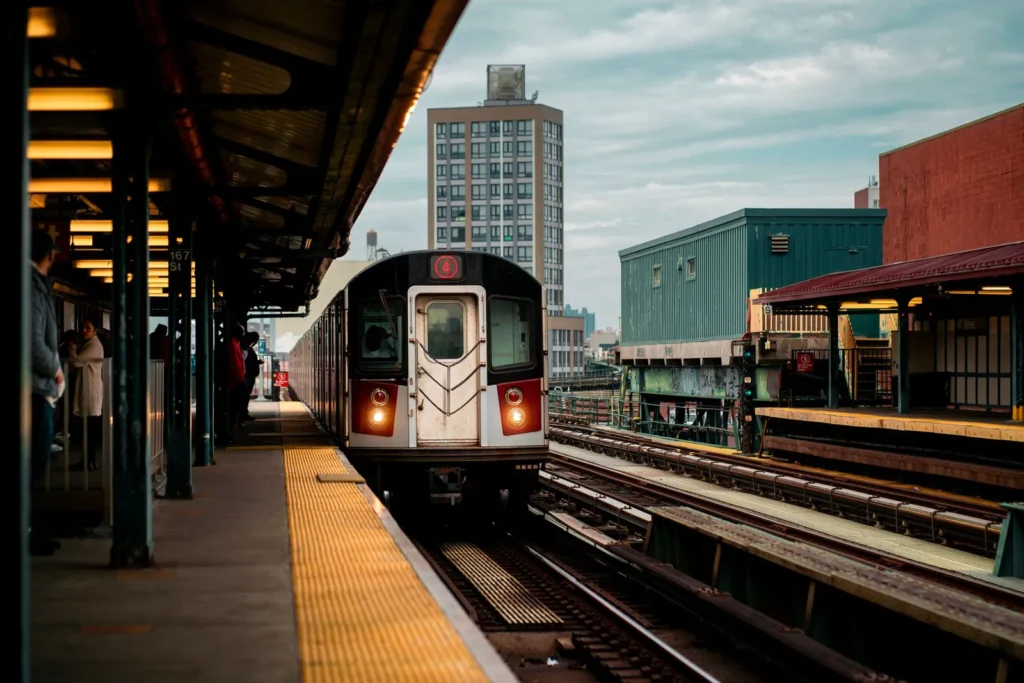
- Stand back from the platform edge, behind the yellow line, especially when trains are arriving. Keep your back to the wall if the platform is busy or someone is acting strangely.
- Wait in the off-hours waiting area when it’s quiet. These yellow-signed zones are usually near the station agent’s booth.
- Choose a busy car. At night, ride in the car with the conductor (usually the middle of the train) or a car with other passengers. An empty car on a crowded train is often empty for a reason.
- Keep your phone in a front pocket near the doors, where snatch-and-run thefts happen as doors close.
- Wear backpacks on your front in crowded trains, and keep bags zipped.
- Move cars or get off if someone makes you uncomfortable. You can always wait for the next train.
- Use the emergency intercoms or Help Point on platforms, or call 911 in an emergency.
The same habits work in most big cities, and many of the pickpocket tactics are the ones I describe in my guide to avoiding scams and tourist traps at major attractions.
Paying for the subway: OMNY
The MTA’s OMNY system lets you tap a contactless credit or debit card, phone or smartwatch at the turnstile. New MetroCard sales ended at the start of 2026, so tapping is now the standard way to pay. A weekly fare cap means that once you’ve paid for a set number of rides in seven days on the same card or device, the rest of the week’s rides are free, which helps visitors staying several days.
- Use the same card or device every time, or the cap won’t count your rides.
- Each person needs their own card or device to tap.
- OMNY cards can be bought in stores if you don’t want to use a bank card.
Riding at night
The subway runs all night, but trains are less frequent and stations quieter. If you ride late, wait in the off-hours area, use a busy car, and sit near the conductor. For a late return to a station you don’t know well, a taxi or rideshare can be worth the extra cost, especially if you’re traveling alone. My guide to staying safe while traveling alone covers more on late nights.
Recommended Products


What You Get: You will receive 2 car handle straps, sized at 9.2 x 3.7 inches. Their compact design keeps your interior tidy and makes storage effortless, toss them in the door pocket or glove box when not in use
Getting around without getting lost
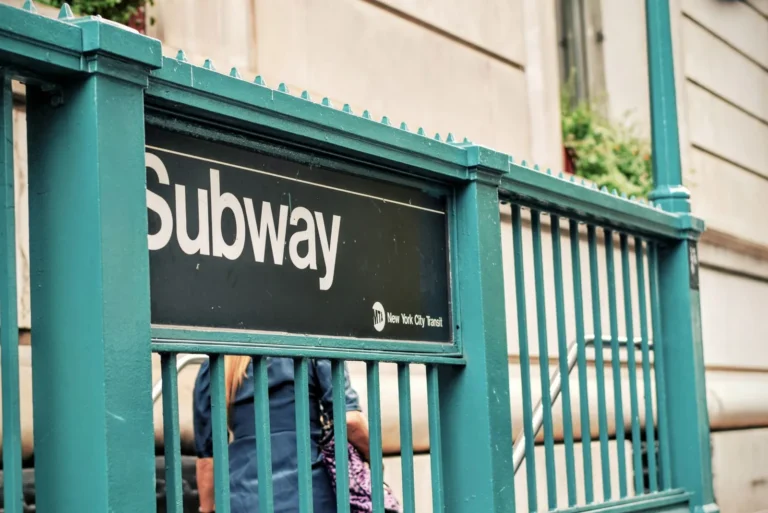
- Check the direction. Many stations have separate entrances for “Uptown” and “Downtown” trains. Read the sign above the entrance before you pay.
- Local or express. Express trains skip stops. Check the map or the sign on the train.
- Weekend and night changes. Service often changes for maintenance. Check the MTA app or website before you travel.
- Accessibility. Not every station has an elevator. The MTA map marks accessible stations.
Recommended Products


Dimensions: This metal sign measures 8 x 12 inches (20 x 30 cm)—an ideal size for easy installation.
Using the subway for sightseeing
The subway connects almost every major sight, including the Staten Island Ferry terminal at South Ferry, Central Park and the Brooklyn Bridge. My list of free and low-cost attractions in major cities includes several New York options that pair well with a subway day. If you’re visiting another US capital too, here’s how the Washington DC Metro compares.
Frequently asked questions
Is it safe to ride the New York subway at night?
Generally, yes, with sensible precautions. Wait in the off-hours area, ride in a car with other people, and consider a taxi for late trips to quiet stations.
Can I still use a MetroCard?
The MTA stopped selling and refilling MetroCards at the start of 2026, but has still accepted existing cards. Tapping with OMNY is the simplest option for visitors.
What should I do if something happens on the subway?
Call 911 in an emergency, or use a platform Help Point or the intercom in the train car. Report theft to a police officer or at a precinct.
Is the subway safe for kids?
Yes, with close supervision on platforms and escalators. Strollers can be hard work at stations without elevators.