Close Menu
    Travel Like a BossTravel Like a Boss
    • Safety by Destination
    • Flights & Airlines
    • Road Trips
    • Things to Do
    • Where to Go
    • Plan Smarter
    • About
      • About
      • Contact
      • Privacy Policy
    Travel Like a BossTravel Like a Boss
    Home»Travel Safety»Riding the DC Metro: How to Pay, Stay Safe and Get Around as a Visitor
    Travel Safety

    Riding the DC Metro: How to Pay, Stay Safe and Get Around as a Visitor

    Jessica LawtonBy Jessica LawtonFebruary 11, 2025Updated:November 4, 20265 Mins Read
    Facebook Twitter Email
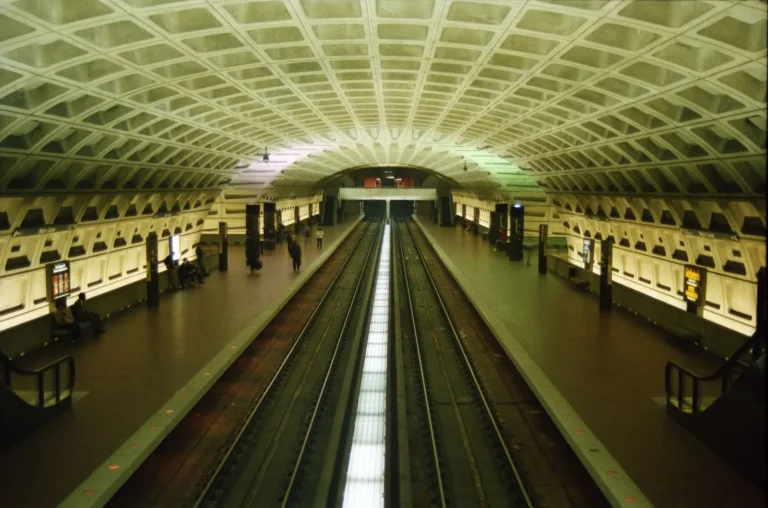
    Coffered concrete vault of a Washington DC Metro station
    Share
    Facebook Twitter Email
    This guide may contain affiliate links. If you book or buy through them we may earn a commission, at no extra cost to you. How we make money.
    Check the official advisory before you book
    Safety situations change faster than any guide. Read your own government's current advice first:
    • US State Department
    • UK Foreign Office (FCDO)
    • Canada Travel Advice
    • Australia Smartraveller

    Last reviewed: November 2026. Hours, fares and payment options change, so check WMATA’s website before you travel.

    Table of Contents

    Toggle
    • Is the DC Metro safe?
    • How to get help
    • Safety tips for riding Metro
    • How to pay
    • When Metro runs
    • Using Metro for sightseeing
    • Other ways to get around
    • Accessibility
    • Frequently asked questions
      • Is the DC Metro safe at night?
      • Can I use my credit card on the Metro?
      • Is the Metro good for families?
      • How do I report something without calling?

    Washington’s Metrorail system is one of the easiest ways to see the city. It connects the National Mall, the neighborhoods and Reagan National Airport, and its stations are big, bright and well signed. For visitors, it’s generally safe, with the same kind of precautions you’d take on any big-city transit system.

    Here’s what to know about safety on the DC Metro, plus how to pay, when it runs and how to get help.

    Is the DC Metro safe?

    For most riders, yes. Most trips are uneventful, and the most common problems are theft, especially phone snatching near doors, and occasional disruptive behavior. Metro has its own police force, the Metro Transit Police Department, and cameras cover stations and trains.

    Like any system, some stations and times are quieter than others. Late at night and at outlying stations, it’s worth being more alert.

    How to get help

    • Emergency: call 911, or Metro Transit Police at 202-962-2121.
    • Non-urgent safety issues: text Metro Transit Police at 696873 (MyMTPD) to report something discreetly.
    • On the train: use the intercom near the doors to speak to the operator.
    • In stations: look for station managers in the kiosk near the faregates.

    Save the numbers in your phone before you travel.
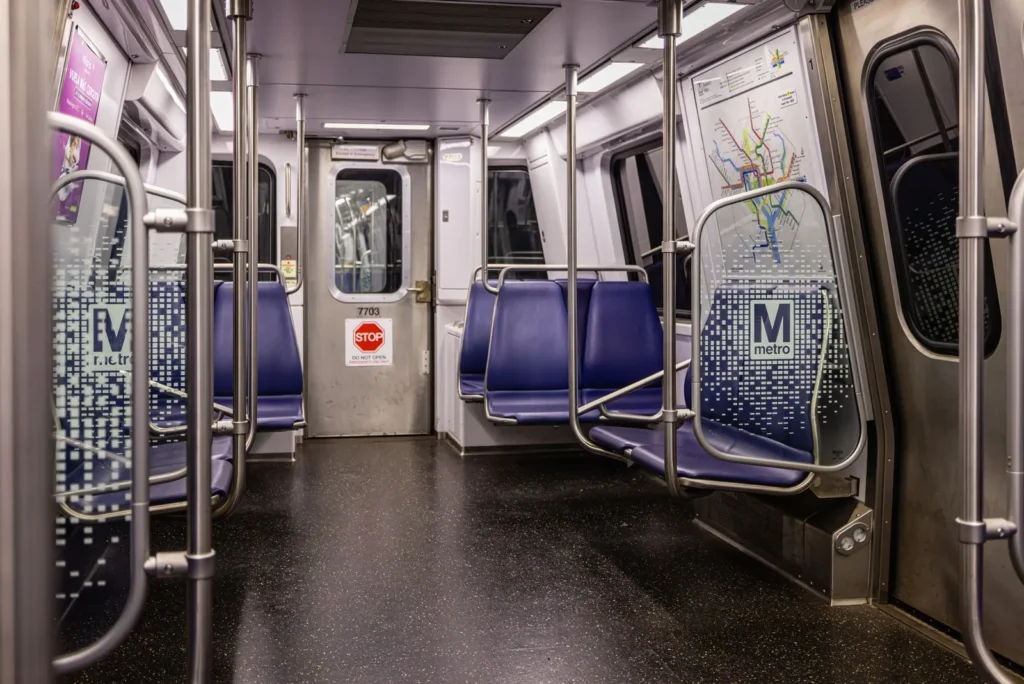
    Interior of a Washington DC Metro train car with blue seats
    Photo: Jason Gooljar / Pexels

    Safety tips for riding Metro

    • Stand back from the platform edge. The flashing lights in the platform edge signal an arriving train.
    • Keep your phone away near the doors. Snatch thefts often happen just as doors are closing.
    • Stand on the right, walk on the left on escalators. Metro’s escalators are long, so hold the handrail, especially with kids or luggage.
    • Pick a car with other people late at night, and sit near the operator’s end if you’re uneasy.
    • Keep bags zipped and in front on crowded trains, such as after big events or at rush hour.
    • Move or get off if someone makes you uncomfortable. Another train will come.

    The habits are the same as on any big system; my guide to New York subway safety has more on riding at night.

    How to pay

    On Metrorail you can tap a contactless credit or debit card, or a card in your phone’s mobile wallet, at the faregate, then tap the same card or device when you exit, since fares depend on distance and time of day. You can also use a SmarTrip card or the SmarTrip app. Each rider needs their own card or device.

    When Metro runs

    Metrorail typically runs from early morning until midnight on weekdays and later on Friday and Saturday nights, with later starts on weekends. Hours can change, and track work sometimes closes stations or reduces service, especially on weekends. Check WMATA’s website or app before you head out, particularly for late returns.
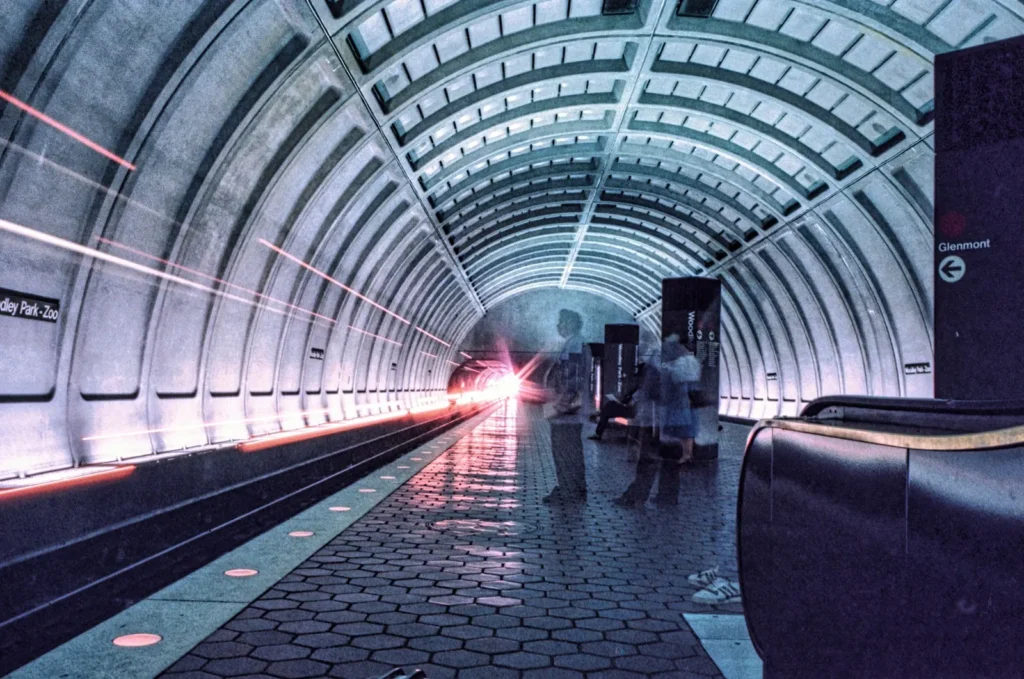
    Metro train arriving at a curved underground station
    Photo: Tom Fisk / Pexels

    Using Metro for sightseeing

    • Smithsonian station sits on the National Mall, close to many of the museums.
    • Metro Center and Gallery Place are central transfer points for downtown.
    • Arlington Cemetery and the Pentagon are on the Blue line.
    • Reagan National Airport has its own station, a short ride from downtown.
    • Dulles Airport is at the end of the Silver line. It takes much longer than from Reagan, so allow plenty of time.

    Many of DC’s biggest sights are free; I list them with other cities in my guide to free and low-cost attractions. For a full visit plan, see why DC is one of my picks for long weekend trips.

    Recommended Products

    Moovit: Live Transit Info (Bus, Subway, Train & Metro) for NYC, SF, Chicago, Miami, Boston, LA, DC and more. Map, Schedules, Real Time, Alerts & Next Bus Arrivals
    Moovit: Live Transit Info (Bus, Subway, Train & Metro) for NYC, SF, Chicago, Miami, Boston, LA, DC and more. Map, Schedules, Real Time, Alerts & Next Bus Arrivals

    + OmniSearch: Discover the best routes to anywhere in your city. Search for a place, address or station to compare transit options and see detailed directions all the way there (combining any and all local transit types including bus, light rail, ferry, train, metro, subway, tram, rail and streetcar)

    VIEW LATEST PRICE

    As an affiliate, we earn on qualifying purchases.

    DC Metro and Bus - Free
    DC Metro and Bus - Free

    -Realtime Metro Rail predictions for every Metro station in the Washington DC region with auto refresh.

    VIEW LATEST PRICE

    As an affiliate, we earn on qualifying purchases.

    Time Out Washington, D.C. (Time Out Guides)
    Time Out Washington, D.C. (Time Out Guides)

    Used Book in Good Condition

    VIEW LATEST PRICE

    As an affiliate, we earn on qualifying purchases.

    Other ways to get around

    Metro isn’t always the best option. The National Mall is long but walkable, and many sights are closer to each other on foot than by train. Metrobus covers areas the trains don’t reach and accepts SmarTrip; check WMATA’s site for which other payment options work on buses. Capital Bikeshare docks are all over the city if you’re comfortable cycling in traffic. Late at night, or for a station you don’t know, a taxi or rideshare can be the safer choice, especially if you’re on your own; my guide to staying safe when traveling alone has more on that.

    Accessibility

    All Metrorail stations have elevators, and trains have priority seating. Elevator outages do happen, so check WMATA’s elevator status page before you travel if you depend on one.

    Frequently asked questions

    Is the DC Metro safe at night?

    Generally, yes. Choose a car with other passengers, stay alert at quieter stations, and consider a taxi or rideshare for very late trips.

    Can I use my credit card on the Metro?

    Yes. Contactless credit and debit cards and mobile wallets work at Metrorail faregates. Tap in and tap out with the same card.

    Is the Metro good for families?

    Yes. Stations have elevators, and the Mall is easy to reach. Hold children’s hands on the long escalators and near the platform edge.

    How do I report something without calling?

    Text Metro Transit Police at 696873. For emergencies, call 911.
    Written by Jessica Lawton
    I write and edit the guides on Travel Like a Boss. I'm not a security consultant or a travel agent; I read the official advisories and airline rules so you don't have to, and I say clearly when something is my own opinion.
    More about me · How we write our guides
    Share. Facebook Twitter LinkedIn Email
    jessica lawton
    Jessica Lawton
    • Website

    I'm Jessica Lawton, and I write and edit Travel Like a Boss. I started the site because most of my own trip planning ended in the same place: three tabs of government advisories, an airline policy written in legalese and a forum thread from 2014. I'm not a security consultant, a travel agent or a lawyer, and I don't claim to be. What I do is read the official sources, compare them with what travelers actually run into, and write it up in plain English. Where a guide is my own opinion, I say so.

    Keep reading

    Car driving along a coastal road beside the sea

    Safety

    Driving Abroad: International Driving Permits, Rules and Rental Tips by Country

    Highway near Budardalur, Iceland, with snow-capped mountains

    Safety

    Driving in Iceland in February: Road Conditions, Car Rental and Winter Rules

    Winding road and mountains seen through a car windshield

    Where to go

    7 Classic Road Trip Itineraries From Travel Bloggers

    Written by

    Jessica Lawton

    Plain-English travel planning. I read the advisories and airline rules so you don’t have to.

    Popular guides

    • Carry-on suitcase stowed in an airplane overhead bin Carry-On Size and Weight Limits for 25 Major Airlines (Compared)
    • Traveler sitting on her luggage in an airport terminal Is It Safe to Travel Right Now? A 6-Step Risk Check Before Any Trip
    • Pink cherry blossoms beside a calm lake in spring Where to Travel Each Month of 2027: A Weather-and-Crowds Calendar
    • Busy outdoor market with colorful stalls and shoppers Common Travel Scams Around the World and How to Avoid Them

    Browse the hubs

    • Safety by Destination
    • Flights & Airline Rules
    • Getting Around & Road Trips
    • Things to Do
    • Where to Go & When
    • Plan Smarter: Safety Basics

    Newsletter

    Travel Smarter, Every Month

    One short email with where to go next, rule changes worth knowing, and a safety check before you book.

    Travel Like a Boss

    Calm, practical trip planning: whether it’s safe to go, what the airline actually allows, when to travel and what’s worth doing once you’re there.

    Email: info@travellikeaboss.org

    Guides

    • Safety by Destination
    • Flights & Airline Rules
    • Getting Around & Road Trips
    • Things to Do
    • Where to Go & When
    • Plan Smarter: Safety Basics

    Before you go

    • US State Department
    • UK Foreign Office (FCDO)
    • Canada Travel Advice
    • Australia Smartraveller

    The site

    • About
    • Contact
    • Editorial Policy
    • Privacy Policy
    • Disclaimer
    • Affiliate Disclosure

    Affiliate disclosure: Some links on this site are affiliate links, so we may earn a commission if you book or buy through them, at no extra cost to you. As an Amazon Associate, Travel Like a Boss earns from qualifying purchases. Read the full affiliate disclosure.

    © 2026 Travel Like a Boss. Our guides are general information, not legal, medical or security advice. Always check official advisories and your airline before you travel.

    Type above and press Enter to search. Press Esc to cancel.