


Driving in Iceland during February can be safe if you are well-prepared and informed about winter conditions. The key is to understand the challenges posed by icy roads, unpredictable weather, and the necessary precautions to take.
Iceland Winter Road Condition Insights
Driving in Iceland during February presents unique challenges due to winter weather conditions. Understanding the state of the roads, potential hazards, and necessary precautions is crucial for a safe journey. This section provides essential insights into Iceland’s winter road conditions to help travelers navigate the landscape confidently.
Iceland’s winter roads can be treacherous due to snow and ice accumulation. Understanding the types of road conditions you may encounter is crucial for safe driving.
The Icelandic Road and Coastal Administration provides real-time updates on road conditions, which can help you plan your route. Always check these updates before heading out.
| Road Condition | Description | Safety Level |
|---|---|---|
| Clear | No snow or ice | High |
| Icy | Thin layer of ice | Medium |
| Snow-covered | Deep snow accumulation | Low |
| Closed | Road is impassable | Very Low |
Recommended Gear for Iceland Winter Driving
Driving in Iceland during February presents unique challenges due to icy roads and unpredictable weather. To navigate these conditions safely, it’s essential to equip your vehicle with the right gear. This section outlines the recommended equipment that will help ensure a safer driving experience in Iceland’s winter landscape.
Having the right gear is vital for a safe driving experience in Iceland’s winter. Below are recommended items to keep in your vehicle.
-
Winter tires: Ensure your vehicle is equipped with winter tires for better traction.
-
Ice scraper: Keep an ice scraper handy for clearing your windshield.
-
Shovel: A compact shovel can assist in snow removal if you get stuck.
-
Emergency kit: Include blankets, food, water, and a first-aid kit.
Recommended Products
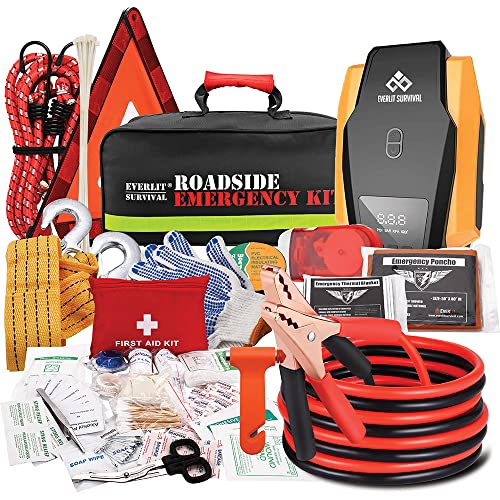
The Road Guardian- The portable roadside assistance kit is designed and hand picked by a group of experienced veterans and experts to provide every essential tools you need in roadside emergencies. The automotive safety bag contains accessories such as repair cable ties, bungee cords, electrical tape, space blanket, rain poncho, reflective warning triangle, glass breaker, seatbelt cutter, safety gloves, tow rope and more to get your vehicle back on the road and continue your travel.

Premium Roadside Emergency Kit: This winter safety kit includes 86 essential items, featuring 12 ft 8 Gauge jumper cables, and a 73-item first aid kit, preparing you for any roadside crisis

Professional Car Emergency Kits for Vehicles: It protect your family and your car for some unforeseen events. This emergency car kit for vehicles is specifically designed and curated by 5 survival experts, contains 150 PSI air compress , 8.2FT 500AMP Jumper Cables, Folding Shovel, Car Repair Tool Set, First Aid Kit, Emergency Blanket, Tow Rope, rain poncho, reflective warning triangle, reflective Safty Vest, space blanket, glass breaker, seatbelt cutter, safety gloves, electrical tape
Iceland Winter Driving Safety Tips
Driving in Iceland during February presents unique challenges due to winter weather conditions, making it essential for travelers to be well-prepared. Understanding the specific risks and safety measures can significantly enhance your driving experience. This section offers practical tips to navigate Iceland’s icy roads safely and confidently.
Proper preparation can significantly enhance your safety while driving in Iceland. Familiarize yourself with the following safety measures.
-
Plan your route: Use a GPS or map to identify safe routes.
-
Check weather forecasts: Monitor local weather conditions to avoid driving in severe storms.
-
Inform someone of your plans: Let someone know your itinerary and expected return time.
Iceland Winter Driving Safety Tips
Driving in Iceland during February presents unique challenges due to winter weather conditions. Understanding the specific risks and safety measures is essential for a secure journey. This section provides practical tips to help navigate Iceland’s icy roads and ensure a safe driving experience in the heart of winter.
Driving techniques differ in winter conditions. Adapting your driving style is essential for safety.
-
Slow down: Reduce speed to maintain control on slippery surfaces.
-
Increase following distance: Allow more space between your vehicle and others.
-
Avoid sudden movements: Steer and brake gently to prevent skidding.
Icelandic Winter Weather Driving Tips
Driving in Iceland during February presents unique challenges due to unpredictable winter weather conditions. Understanding how to navigate icy roads, manage reduced visibility, and prepare for sudden weather changes is crucial for a safe journey. This section offers essential tips to help you drive confidently and securely through Iceland’s stunning yet treacherous winter landscape.
Iceland’s weather can change rapidly, impacting driving conditions. Being aware of these patterns can help you stay safe.
-
Snowstorms: Can reduce visibility and create whiteout conditions.
-
High winds: May cause loss of vehicle control, especially in exposed areas.
-
Fog: Reduces visibility significantly and requires extra caution.
Recommended Products

Essential Car Emergency Kit for All Drivers: This all-in-one emergency car roadside kit is a must-have for women, men, and teens, providing reliable tools like jumper cables, a detachable snow shovel, and more to handle any roadside emergency.

🛠All-in-one Roadside Assistance & Tools:Be fully prepared for unexpected breakdowns with our extensive roadside emergency car kit. This set features heavy-duty jump cables for battery assistance, a durable tow rope for vehicle recovery, and a versatile 8-piece hand tool kit for essential repairs. It also includes a tire pressure gauge and a safety hammer for critical escapes. This kit ensures you have the necessary gear to handle common roadside issues with confidence.

Complete Roadside Emergency Kit: This all-in-one car emergency kit includes 170 essential items, featuring 12 ft 8 Gauge jumper cables, a digital air compressor for accurate tire inflation, a 138-item first aid kit, 22 pcs car tool kit, 2 in 1 ice scraper & snow brush and more, preparing you for any roadside crisis
Winter Driving Emergency Protocols
Driving in Iceland during February presents unique challenges, especially with unpredictable weather and icy roads. Understanding emergency protocols is essential for ensuring safety while navigating the stunning yet treacherous landscapes. This section outlines key procedures to follow in case of an emergency, helping you stay prepared and secure on your winter journey.
Knowing what to do in an emergency can save lives. Familiarize yourself with these procedures.
-
Stay with your vehicle: If stranded, remain inside to stay warm.
-
Use hazard lights: Turn on your hazard lights to increase visibility.
-
Signal for help: Use a reflective triangle or flares if available.
Winter Driving Safety Tips for Iceland
Driving in Iceland during February presents unique challenges due to winter weather conditions. Understanding the specific safety measures required for navigating icy roads and unpredictable weather is crucial for a safe journey. This section outlines essential tips to help you confidently tackle winter driving in Iceland.
Driving in Iceland during February requires careful planning and awareness of winter conditions. Always stay informed about road and weather updates, and equip your vehicle with necessary supplies. Prioritize safety by adapting your driving techniques and knowing emergency procedures.
