
The best trips I hear about usually aren’t the ones with the fanciest hotels. They’re the ones where someone went to the right place at the right time: Lisbon before the summer crowds, Japan for the autumn leaves, Mexico City in the dry season. Timing does a lot of the work for you.
This is a month-by-month calendar for 2027, built around two questions: what’s the weather usually like, and how busy will it be. Weather is never guaranteed, and big events can shift crowds, so treat this as a starting point and check the forecast and any local event dates before you book.
Last reviewed: November 2026.
How to read this calendar
For each month you’ll find a few picks with a short reason, plus a “watch out” note. I’ve leaned toward places that are good value or less crowded in that month, rather than only the obvious peak-season choices. If you’d rather browse by season, our guides to December and January, January and February and March and April go deeper on those windows. For a longer read with more destinations per month, see the year-round guide to the best places to travel by month.

January
- Costa Rica (Pacific side): the dry season is in full swing, with sunny days on the Nicoya Peninsula and in Guanacaste.
- Thailand’s Andaman coast: Phuket, Krabi and Koh Lanta are typically dry and calm-sea season. It’s busy, so book early.
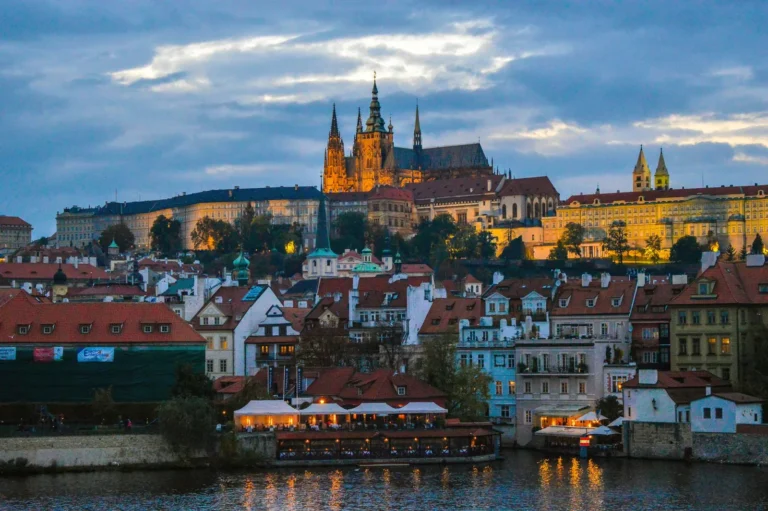
- Vienna or Prague: cold, but crowds thin out after New Year, and hotel prices often drop.
Watch out: early January is still holiday peak in many beach destinations. The second half of the month is usually cheaper.
February
- Mexico City and Oaxaca: dry, mild and sunny, which makes it ideal for walking and markets.
- The Canary Islands: one of Europe’s most reliable winter-sun options.
- Japan’s ski areas: Hokkaido and Nagano are known for deep powder snow in mid-winter.
Watch out: Lunar New Year falls in February in 2027, so travel within China and much of East Asia gets very busy around it.
March
- Morocco: spring temperatures are comfortable for Marrakech and the Atlas foothills before summer heat arrives.
- Southern Spain: Seville and Granada warm up nicely, and orange blossom season usually starts.
- Vietnam (central coast): Hoi An and Da Nang are often pleasant and fairly dry.
Watch out: US spring break weeks fill beach resorts in Florida and Mexico.
April
- Japan: cherry blossom season usually peaks in late March to early April in Tokyo and Kyoto. It’s beautiful and very busy.
- The Netherlands: tulip fields are typically at their best from mid-April.
- Jordan: spring is one of the most comfortable times to walk Petra and Wadi Rum.
Watch out: Easter school holidays push up prices across Europe.
May
- Portugal: long sunny days, beaches that aren’t packed yet and shoulder-season prices.
- Greece: the islands are open and the sea starts warming up, without July and August crowds.
- Washington, DC and the US Northeast: mild weather before summer humidity. Our DC Metro guide helps with getting around.
June
- Iceland: almost round-the-clock daylight and roads that are usually snow-free. It’s a good month for a first ring-road trip.
- Norway’s fjords: green, long days and waterfalls running full from snowmelt.
- Scotland: long light evenings, though midges arrive in the Highlands.
Watch out: the Atlantic hurricane season officially starts on 1 June, although the most active stretch is usually later.
July
- The Canadian Rockies: lakes are thawed, hiking trails are open and wildflowers come out.
- Slovenia and Croatia’s inland areas: cooler alternatives to crowded coastal hotspots.
- Peru (Andes): it’s dry season for Cusco and Machu Picchu, with cold nights and clear days.
Watch out: southern Europe can see dangerous heatwaves. Plan sightseeing for the morning and evening.
August
- Scandinavia: warm days in Copenhagen, Stockholm and Oslo while southern Europe swelters.
- Edinburgh: the festival season makes the city electric. Book months ahead.
- East Africa: it’s a popular window for safaris in Kenya and Tanzania.
Watch out: many Europeans holiday in August, so coastal resorts in France, Italy and Spain are at their busiest.
September
- Italy and the Mediterranean: the sea is still warm, crowds ease after the first week and prices start dropping.
- The US national parks: summer crowds thin out after Labor Day, and temperatures in Utah and Arizona start to cool.
- Bali: usually still in dry season.
Watch out: September is typically near the peak of the Atlantic hurricane season. If you’re heading to the Caribbean, read our note on Puerto Rico in hurricane season.
October
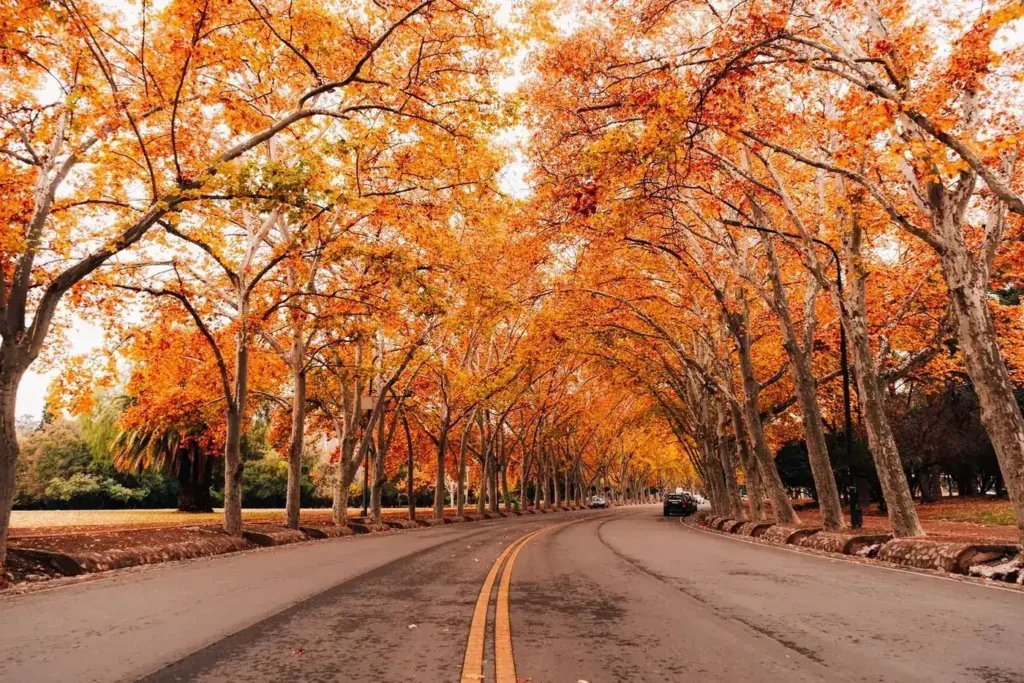
- New England and Quebec: fall color often peaks from late September to mid-October.
- Turkey: Istanbul and Cappadocia are mild and good for long days of walking.
- Jordan and Egypt: the heat breaks, which makes sightseeing more comfortable.
November
- Japan: autumn leaves usually reach Kyoto in mid to late November.
- Mexico: the rainy season ends and Día de Muertos (1 to 2 November) brings big celebrations.
- Southern Thailand’s Gulf coast is wetter now, but the Andaman side is starting its dry season.
December
- Christmas markets: Vienna, Strasbourg, Nuremberg and Prague are classic picks for early December.
- Australia and New Zealand: summer is starting.
- The Caribbean: hurricane season ends on 30 November, and dry season begins. Prices jump around the holidays.
Four tips for using this calendar
Short on time? Pick something close. Our list of destinations for short trips and long weekends is built for exactly that.
Check the safety picture as well as the weather. Seasons affect more than the forecast. Storm seasons, festival crowds and holiday traffic all change the risks. Our guide to assessing risk before any trip walks through that.
Shoulder months are the sweet spot. The month just before or after peak season usually gets you most of the good weather at a lower price. May and September are the best examples in Europe.
Book in a way you can change. Every pick here is based on typical weather, not a forecast. A free-cancellation room or a flexible fare lets you move the trip if a storm warning or a heatwave turns up a week before you go.