Last reviewed: November 2026. Thailand was at Level 1 in the US advisory (dated July 7, 2026) when I checked. Laws and advisories change, so check before you go.
Phuket is one of Thailand’s busiest destinations, and for most visitors it’s a safe, easy place to travel. The US State Department rates Thailand at Level 1, “Exercise Normal Precautions.” The risks that actually hurt people in Phuket are mostly about roads, the sea and a handful of well-known scams, not violent crime.
Here’s what to watch for and how to handle it.
Road safety: the biggest risk
Thailand has one of the highest road death rates in the world, according to the World Health Organization, and most of those deaths involve motorcycles. Phuket’s hilly roads, heavy traffic and rain make scooters especially risky for visitors.
- Don’t ride a scooter unless you’re experienced and properly licensed. You need a motorcycle license, plus an International Driving Permit with the motorcycle category if your home license is from abroad. Without them, police can fine you and your travel insurance may refuse to pay for an accident.
- Always wear a helmet. It’s the law, and it’s the single biggest factor in surviving a crash.
- Don’t drink and ride, and avoid riding in heavy rain or at night.
- Use metered taxis, ride-hailing apps or hotel transport instead, and agree the price for tuk-tuks before you get in.
My guide to driving abroad and international driving permits explains which permit you need.

The sea: rip currents and the monsoon
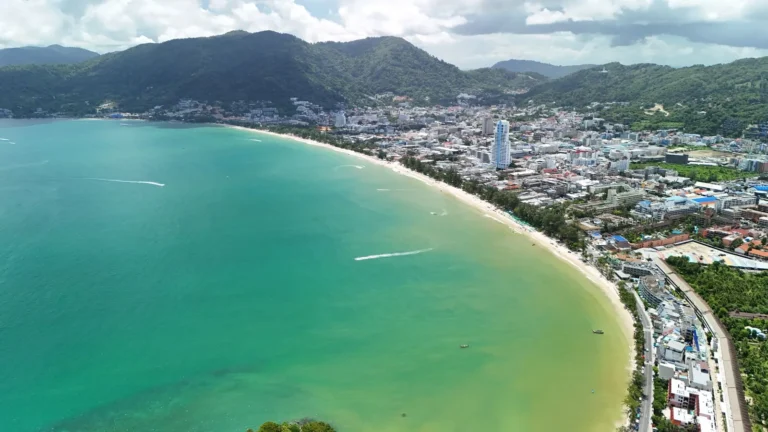
From roughly May to October, the southwest monsoon brings big waves and strong rip currents to Phuket’s west-coast beaches, including Patong, Kata and Karon. Drownings happen every year, often of visitors swimming when red flags are up.
- Never swim when red flags are flying.
- Swim near lifeguards where they’re on duty.
- If you’re caught in a rip current, don’t fight it. Swim parallel to the shore until you’re out of it, then swim back.
- Check boat and tour operators carefully, and wear a life jacket on speedboats.
Phuket’s coast also has tsunami warning sirens and marked evacuation routes. Note the signs near your hotel.
Common scams
- Jet ski damage claims: renters are told they damaged a jet ski and must pay a large sum. Photograph the jet ski before you ride, or skip jet skis altogether.
- Scooter damage claims: the same trick with rental scooters. Never leave your passport as a deposit.
- Overpriced taxis and tuk-tuks: agree the fare first, or use an app.
- Gem and tailor shops recommended by a friendly stranger or driver, who earns commission.
These patterns show up across Southeast Asia; I cover more in my guide to common travel scams around the world.
Laws visitors get caught out by
- E-cigarettes and vapes are illegal to import, sell or possess in Thailand, and visitors have been fined or detained.
- Drug laws are strict. Cannabis rules have changed several times since 2022, so don’t rely on what you’ve heard; check current rules, and never take any drugs across borders.
- Insulting the monarchy is a serious crime, including on social media.
- Dress respectfully at temples, with covered shoulders and knees.
Nightlife and personal safety
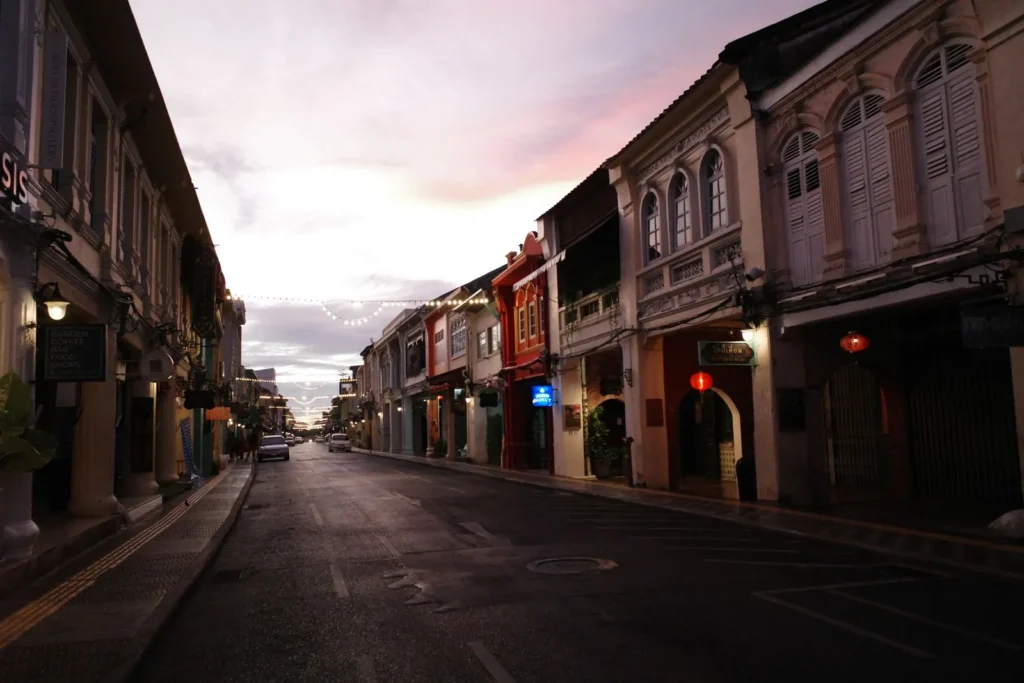
Patong’s Bangla Road is busy and lively. Keep an eye on your drink, carry only what you need, and use a known taxi or app to get back to your hotel. Choose accommodation with good reviews for security; my hotel and Airbnb safety tips cover what to check on arrival.
Health
- Dengue fever is present in Thailand, so use insect repellent, especially during the rainy season.
- Drink bottled or filtered water.
- Private hospitals in Phuket offer good care but can be expensive. Make sure your travel insurance covers medical treatment and evacuation.
- Protect yourself from the sun and heat, and drink plenty of water.
Emergency numbers in Thailand
- 191 police
- 1669 medical emergencies and ambulance
- 1155 Tourist Police, with English-speaking staff
For what to do if something goes wrong, see my step-by-step guide to travel emergencies abroad.
Frequently asked questions
Is Phuket safe for tourists?
Yes, for most visitors. Thailand is at Level 1 in the US advisory. The main risks are road accidents, rip currents and scams.
When is the safest time to swim in Phuket?
The dry season, roughly November to April, has calmer seas on the west coast. During the monsoon, check flags and swim only near lifeguards.
Can I rent a scooter in Phuket without a license?
Rental shops may let you, but riding without a valid motorcycle license is illegal and can void your travel insurance.
What is the tourist police number in Thailand?
Call 1155 for the Tourist Police.