


Swimming in a pool after rain can be safe, but it depends on the pool’s chemical balance. Rainwater can dilute chlorine levels and alter pH, requiring adjustments before swimming.
Rain Effects on Pool Water Chemistry
Rain can significantly affect pool water chemistry. It introduces contaminants and dilutes sanitizers, which can lead to unsafe swimming conditions. The primary concerns include decreased chlorine levels and altered pH. Monitoring these factors is essential for maintaining a safe swimming environment.
Recommended Products
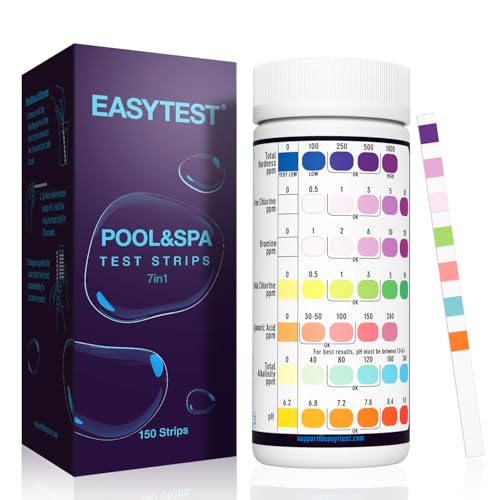
AFFORDABLE 150 STRIPS: This water chemical testing kit contains 150 test strips. Enough balanced for your swimming pool, hot tub, spa and other water testing. At least testing twice a week is recommended to keep your pool sparkling clean and safe.
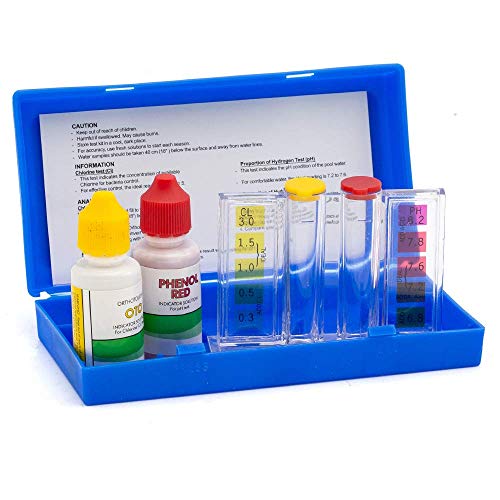
2 Way Pool Water Test Kit For Test For OTO, CL, and PH Level
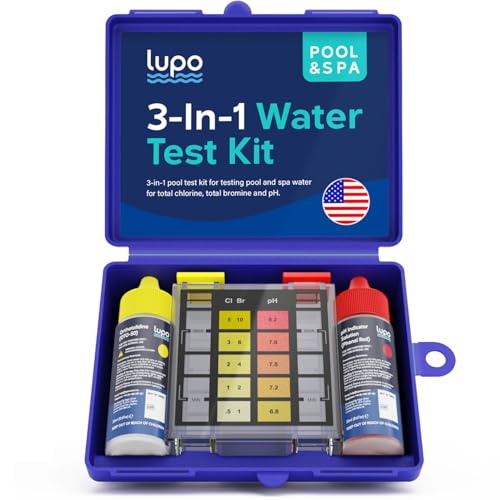
3-IN-1 POOL TESTING KIT: An easy-to-use, accurate pool test kit for testing three essential water quality parameters in residential pools and spas: Total Chlorine, Total Bromine, and pH. Includes enough reagents for 100 tests, helping keep your water safe, clean, balanced, and ready to use anytime.
Post-Rain pH Testing for Pool Safety
pH levels are crucial for effective chlorine sanitation. Ideal pH ranges from 7.2 to 7.8. Rain can lower pH, making water more acidic. This can lead to skin irritation and corrosion of pool equipment. Regularly testing pH after rainfall helps ensure safe swimming conditions.
| pH Level | Effect on Pool | Action Required |
|---|---|---|
| Below 7.2 | Corrosive, skin irritation | Add pH increaser |
| 7.2 – 7.8 | Optimal | No action needed |
| Above 7.8 | Reduced chlorine effectiveness | Add pH decreaser |
Check Chlorine Levels After Rain
Chlorine is a primary sanitizer in pools. Rain can dilute chlorine levels, making it less effective at killing bacteria and algae. Testing chlorine levels post-rain is critical. Aim for a free chlorine level of 1 to 3 parts per million (ppm) for safety.
| Chlorine Level | Safety Status | Action Required |
|---|---|---|
| Below 1 ppm | Unsafe | Add chlorine shock |
| 1 – 3 ppm | Safe | No action needed |
| Above 3 ppm | Potential irritation | Dilute with water |
Adjust Total Alkalinity for Optimal pH
After a rainstorm, the chemical balance of pool water can be disrupted, particularly affecting total alkalinity. Adjusting total alkalinity is crucial for maintaining optimal pH levels, which in turn ensures safe swimming conditions. Understanding how to manage these adjustments will help keep your pool clean and inviting.
Total alkalinity acts as a buffer for pH levels. Rain can alter alkalinity, leading to unstable pH.
The ideal range is 80 to 120 ppm. Regular testing and adjustments can help maintain balance.
| Alkalinity Level | Effect on pH | Action Required |
|---|---|---|
| Below 80 ppm | pH swings | Add alkalinity increaser |
| 80 – 120 ppm | Stable | No action needed |
| Above 120 ppm | High pH risk | Add alkalinity decreaser |
Post-Rain Pool Contaminants to Address
After a rainstorm, swimming pools can become contaminated with various substances that may affect water quality and safety. Understanding these potential contaminants is crucial for maintaining a healthy swimming environment. This section explores the common pollutants introduced by rain and their impact on pH and chemical balance in pool water.
Rain can introduce various contaminants, including dirt, leaves, and organic matter. These can lead to algae growth and cloudy water.
Regular skimming and vacuuming are essential after rain. Additionally, consider running the pool filter longer to clear any debris.
| Contaminant Type | Impact on Pool | Recommended Action |
|---|---|---|
| Leaves and debris | Clogs filters | Skim and vacuum |
| Algae | Cloudy water | Shock and brush |
| Dirt | Reduces clarity | Run filter longer |
Regular Pool Water Testing After Rain
After a rainstorm, the water quality in your pool can be significantly affected, making regular testing essential. Rain can introduce contaminants and alter the pH and chemical balance, which can impact swimmer safety and comfort. Understanding the importance of testing your pool water after rainfall helps ensure a safe swimming environment.
Conducting regular tests of pH, chlorine, and alkalinity ensures a safe swimming environment. Invest in reliable test kits for accurate readings. Schedule testing after significant rainfall to maintain water quality.
| Test Frequency | Recommended Action |
|---|---|
| Daily | Test pH and chlorine |
| Weekly | Test alkalinity |
| Monthly | Comprehensive water analysis |
Swimming in a pool after rain can be safe if proper chemical balance is maintained. Always test water conditions before allowing swimming to prevent health risks.
