


Swimming at sunset can be risky due to reduced ocean visibility and changing conditions. While it may seem appealing, understanding the safety implications is crucial for a safe experience.
Sunset Swimming Visibility Challenges
Ocean visibility decreases significantly during sunset due to the angle of the sun and the resulting glare on the water. This can make it difficult to see potential hazards such as rocks, currents, or other swimmers. The changing light conditions can also affect your ability to judge distances accurately. Swimmers should consider the following factors when assessing visibility:
-
Sun Position: The lower the sun, the more glare on the water.
-
Water Clarity: Murky water reduces visibility further.
-
Weather Conditions: Overcast skies can diminish light even more.
Sunset Swimming Safety Risks
Swimming at sunset can be a serene experience, but it also presents unique safety risks due to reduced visibility and changing ocean conditions. As the sun dips below the horizon, swimmers may struggle to see potential hazards, marine life, or even other swimmers. Understanding these risks is crucial for ensuring a safe and enjoyable swim during this picturesque time of day.
Swimming at sunset introduces several safety risks that swimmers should be aware of. These include:
-
Decreased Visibility: Harder to spot obstacles or other swimmers.
-
Changing Currents: Tides can shift, creating stronger currents.
-
Wildlife Activity: Some marine life is more active during dusk, which may pose risks.
Swimmers should be particularly cautious of these risks to ensure a safe experience.
Dusk Swimming Visibility Equipment
Swimming at dusk presents unique challenges due to reduced visibility, making it essential to equip yourself with the right tools. Understanding the types of visibility equipment available can enhance safety while enjoying the ocean at sunset. This section explores various options to ensure you can swim safely as daylight fades.
Using the right safety gear can enhance your visibility and overall safety while swimming at sunset. Consider the following equipment:
-
High-Visibility Swim Caps: Bright colors help you stand out.
-
Reflective Swim Buoys: These can be towed behind for added visibility.
-
Waterproof Flashlights: Useful for signaling and navigating.
| Gear Type | Purpose | Recommended Brands |
|---|---|---|
| Swim Caps | Increase visibility | Speedo, TYR |
| Swim Buoys | Safety and visibility | Aqua Sphere, Swim Secure |
| Flashlights | Navigation | Underwater Kinetics, Streamlight |
Recommended Products
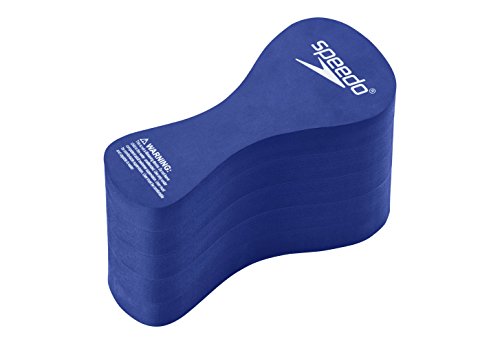
Elevates hips and legs to promote proper positioning

Brightly-colored swim buoy is exceptionally noticeable in lakes, oceans and other open water, making the swimmer more visible to lifeguards, boaters, surfers, jet ski, kayaks, canoes and other open water vehicles

New Wave Swim Bubble is the ultralight swim buoy that provides a safe way to float and rest during your swims. New Wave Swim Bubble is the best open water swim buoy for those looking for a simple swimming buoy without any additional weight-adding features.
Sunset Swimming Safety Guidelines
Swimming at sunset can be a serene experience, but it also presents unique visibility challenges. Understanding the safety guidelines specific to this time of day is crucial for ensuring a safe and enjoyable swim. The following recommendations will help swimmers navigate the ocean safely as daylight fades.
Implementing best practices can significantly reduce risks associated with swimming at sunset. Follow these guidelines:
-
Swim with a Buddy: Always have someone with you.
-
Stay Close to Shore: Remain within a safe distance from the beach.
-
Check Local Conditions: Be aware of tide schedules and weather forecasts.
Never swim alone during low visibility conditions.
Sunset Ocean Condition Changes
Swimming at sunset can present unique challenges due to changing ocean conditions and visibility. As the sun dips below the horizon, factors such as light levels, water temperature, and tidal shifts can significantly affect safety. Understanding these changes is crucial for ensuring a safe and enjoyable swimming experience during this picturesque time of day.
Understanding how ocean conditions change at sunset is vital for safety. Factors influencing these changes include:
-
Tide Levels: Rising tides can create stronger currents.
-
Wind Patterns: Wind can shift waves and currents unexpectedly.
-
Temperature Drops: Water temperatures may decrease, leading to hypothermia.
Swimmer Emergency Preparedness Checklist
When swimming at sunset, visibility can diminish rapidly, increasing the risk of accidents. To ensure a safe experience, it’s crucial to be prepared for emergencies. The following checklist outlines essential items and considerations that every swimmer should have in mind before heading into the water during this beautiful yet potentially hazardous time.
Being prepared for emergencies can save lives. Swimmers should have a plan in case of unexpected situations. Key steps include:
-
Know Emergency Numbers: Familiarize yourself with local emergency contacts.
-
Have a First Aid Kit: Keep a basic kit on hand for minor injuries.
-
Learn CPR: Knowing how to perform CPR can be crucial in emergencies.
| Emergency Item | Purpose | Recommended Brands |
|---|---|---|
| First Aid Kit | Treat minor injuries | Adventure Medical Kits, Lifeline |
| Whistle | Signal for help | Fox 40, Acme |
| CPR Mask | Provide rescue breaths | Laerdal, Ambu |
Always have a communication device to call for help if needed.
