


Driving with bad control arms poses significant risks to steering safety. Control arms are crucial for maintaining proper wheel alignment and handling. If they are worn or damaged, it can lead to unpredictable vehicle behavior.
Control Arms and Vehicle Stability Risks
Control arms play a crucial role in maintaining vehicle stability and steering precision. When these components are compromised, they can lead to significant handling issues and safety risks. Understanding how bad control arms affect your vehicle’s performance is essential for ensuring safe driving conditions.
Control arms connect the vehicle’s chassis to the wheels, allowing for controlled movement during steering and suspension travel. They play a vital role in maintaining alignment and stability. When control arms fail, it can result in:
-
Increased tire wear
-
Poor handling
-
Unpredictable steering response
Recognizing the symptoms of bad control arms is essential for ensuring safety on the road.
Recommended Products
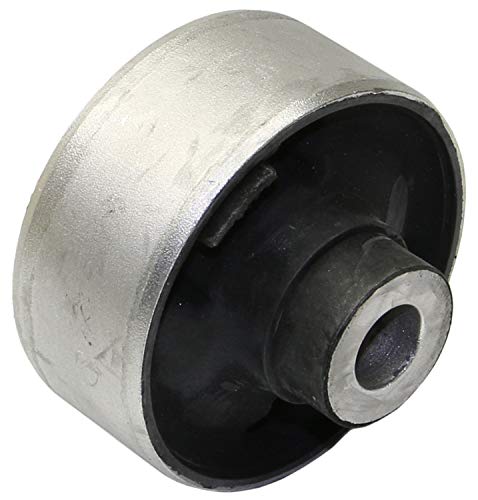
COMPATIBILITY – Fits 2007-2010 Honda Odyssey

COMPATIBILITY – Fits 2007-2013 Ford Expedition; 2014-2016 Ford Expedition; 2009-2015 Ford F-150; 2010-2014 Ford F-150; 2011-2014 Ford F-150; 2011-2012 Ford F-150; 2013-2014 Ford F-150; 2007-2013 Lincoln Navigator

COMPATIBILITY – Fits 2007-2011 Honda CR-V
Signs of Failing Control Arms
Control arms play a crucial role in your vehicle’s suspension system, affecting both handling and safety. Recognizing the signs of failing control arms is essential for maintaining steering stability and overall vehicle performance. This section outlines the key indicators that suggest your control arms may need immediate attention.
Identifying issues with control arms early can prevent further damage and enhance safety. Here are some common symptoms to watch for:
| Symptom | Primary Suspect | Difficulty (1-5) |
|---|---|---|
| Clunking noise over bumps | Worn bushings or ball joints | 3 |
| Uneven tire wear | Misalignment due to control arm failure | 4 |
| Steering wheel vibration | Loose control arm connections | 3 |
| Vehicle pulling to one side | Damaged control arm | 4 |
If you notice any of these symptoms, it’s critical to address them immediately.
Driving Hazards from Worn Control Arms
Worn control arms can significantly compromise vehicle handling and safety, leading to a range of driving hazards. As these components deteriorate, issues such as poor alignment, uneven tire wear, and decreased steering responsiveness may arise. Understanding these risks is essential for maintaining safe driving conditions and ensuring your vehicle operates effectively.
Driving with compromised control arms can lead to severe safety hazards. The vehicle may become difficult to control, increasing the likelihood of accidents. Additionally, the following risks are associated with bad control arms:
-
Reduced braking efficiency
-
Increased strain on suspension components
-
Potential for complete suspension failure
If you experience any of these issues, do not ignore them.
Control Arm Inspection Techniques
Inspecting control arms is crucial for maintaining vehicle safety and performance. This section outlines effective techniques to assess the condition of your control arms, helping you identify potential issues before they escalate. By understanding these inspection methods, you can ensure your steering system remains reliable and safe on the road.
Regular inspections can help identify issues before they escalate. A thorough inspection involves:
-
Checking for visible wear on control arms and bushings
-
Testing for play in the ball joints
-
Assessing the alignment of the wheels
Using a mechanic’s toolset, you can perform a basic inspection yourself. However, professional diagnostics may be necessary for a comprehensive evaluation.
Step-by-Step Fix for Control Arm Issues
Addressing control arm issues is crucial for maintaining vehicle safety and performance. This section provides a detailed, step-by-step guide to diagnosing and fixing problems related to control arms, ensuring your steering remains responsive and reliable. Understanding these repairs can help you make informed decisions about your vehicle’s maintenance and safety.
If you determine that your control arms are indeed faulty, here’s how to proceed with repairs:
-
Gather necessary tools: Obtain a jack, jack stands, and a wrench set.
-
Lift the vehicle: Securely elevate the vehicle using the jack and place jack stands for safety.
-
Remove the wheel: Take off the wheel to access the control arm.
-
Detach the control arm: Unbolt the control arm from the chassis and the wheel hub.
-
Install the new control arm: Align and secure the new control arm in place.
-
Reattach the wheel: Put the wheel back on and lower the vehicle.
Ensure all bolts are torqued to the manufacturer’s specifications.
Control Arm Maintenance Best Practices
Maintaining control arms is crucial for ensuring vehicle safety and performance. Neglecting these components can lead to serious handling issues and increased wear on other parts. Understanding best practices for control arm maintenance can help drivers avoid costly repairs and enhance their overall driving experience.
To prolong the life of your control arms, consider these maintenance tips:
-
Regularly inspect for signs of wear
-
Keep suspension components clean and free of debris
-
Ensure proper alignment after any suspension work
Routine maintenance can help prevent costly repairs and enhance vehicle safety.
Consulting a Mechanic for Control Arm Issues
When dealing with control arm issues, seeking professional advice is crucial for ensuring both your safety and the integrity of your vehicle. A qualified mechanic can accurately assess the extent of the damage and recommend appropriate repairs, helping you avoid potential accidents caused by compromised steering and suspension systems. Understanding the importance of this consultation can make a significant difference in your driving experience.
If you are unsure about diagnosing or repairing control arms, consult a qualified mechanic. Professional expertise can ensure that repairs are done correctly and safely. Ignoring control arm issues can lead to more extensive damage and safety risks.
Driving with bad control arms is unsafe and can lead to serious consequences. Address any symptoms promptly to maintain vehicle safety and performance.
