


Driving with a punctured tire can pose serious safety risks. In many cases, the tire can be repaired, but sometimes replacement is necessary to ensure safe operation.
Assessing Puncture Severity for Safe Driving
A punctured tire can lead to air loss, affecting vehicle handling and braking. Recognizing the severity of the puncture is crucial for safe driving. Common types of punctures include those caused by nails, screws, or sharp objects. Assessing whether to repair or replace the tire depends on the puncture’s location and size.
Puncture Types and Repair Options
Understanding the different types of tire punctures is crucial for determining whether repair or replacement is the best option. Each puncture type has specific characteristics that affect safety and performance. This section will explore common puncture types and the available repair solutions to help you make an informed decision.
Different types of punctures require different approaches. Understanding these can help you make informed decisions regarding repairs or replacements.
-
Sidewall Punctures: These are generally not repairable. The sidewall supports the vehicle’s weight, and a puncture here can lead to blowouts.
-
Tread Punctures: Typically repairable if the puncture is less than ¼ inch in diameter and located in the tread area.
-
Multiple Punctures: If there are multiple punctures close together, replacement is often recommended to maintain tire integrity.
Puncture Assessment and Action Guide
Assessing a punctured tire is crucial for ensuring your safety on the road. Understanding the severity of the damage and knowing the appropriate steps to take can help you decide whether to repair or replace the tire. This guide outlines the key factors to consider when evaluating a punctured tire and the actions you should take next.
| Puncture Type | Repairable | Risk Level | Recommended Action |
|---|---|---|---|
| Sidewall | No | High | Replace |
| Tread | Yes | Low | Repair |
| Multiple | No | High | Replace |
Punctured Tire Repair Process and Guidelines
When faced with a punctured tire, understanding the repair process is crucial for ensuring both safety and performance. This section outlines the steps involved in repairing a tire, including the tools needed and best practices to follow. By adhering to these guidelines, drivers can make informed decisions that may extend the life of their tires and enhance their driving experience.
If the puncture is in the tread and meets specific criteria, you can repair it. The process typically involves removing the tire, inspecting the damage, and applying a plug or patch.
-
Remove the Tire: Use a jack to lift the vehicle and remove the lug nuts.
-
Inspect the Damage: Check the puncture size and location.
-
Clean the Area: Ensure the puncture is free of debris.
-
Apply a Repair Kit: Use a tire plug or patch according to the manufacturer’s instructions.
-
Reinstall the Tire: Put the tire back on and lower the vehicle.
Recommended Products

[🔨PROFESSIONAL QUALITY ] - AUTOWN Tire Repair Kits are made of refined high-quality steel, AUTOWN upgraded tire patch kits comply with exacting standards of audit, can repair the toughest tires on the market.

COMPLETE 86-PIECE TIRE REPAIR KIT - Metal-Handled Reamer and Plug Insertion Tool, 60 Tire Plugs, Needle-Nose Pliers, Tire Pressure Gauge, Valve Stems and Cores, Cutting Razor, Lubricant, and Illustrated Step-by-Step Instructions.

COMPACT 14-PIECE TIRE REPAIR KIT - Includes Metal-Handled Reamer and Plug Insertion Tool, 9 Tire Plugs, Tire Pressure Gauge, Cutting Razor, and Lubricant. Slim Case Fits in a Glove Box, Gear Bag, or Under a Seat.
Tools Needed for Tire Repair
When faced with a punctured tire, having the right tools is essential for effective repair. This section outlines the specific equipment you’ll need to safely address tire damage, ensuring you can make informed decisions about whether to repair or replace your tire. Understanding these tools can help streamline the repair process and enhance your safety on the road.
-
Tire Jack: For lifting the vehicle.
-
Lug Wrench: To remove lug nuts.
-
Repair Kit: Includes plugs and patches.
-
Air Compressor: To reinflate the tire.
When to Replace a Tire
Understanding when to replace a tire is crucial for maintaining vehicle safety and performance. A punctured tire may seem manageable with repairs, but certain conditions can necessitate a complete replacement. This section will help you identify the signs that indicate it’s time to invest in new tires for your vehicle.
In some situations, replacing a tire is the safest option. This is particularly true for sidewall punctures or when the tire has significant wear.
-
Severe Damage: If the tire has bulges or cuts, replacement is necessary.
-
Tread Depth: If the tread is worn down to 2/32 of an inch or less, replace the tire regardless of punctures.
-
Age of the Tire: Tires older than six years should be replaced even if they appear fine.
Recommended Products

Emergency Sidewall Savior for Off-Roaders: Specifically designed for sudden sidewall gashes and punctures up to 1.5 inches. This 2-piece heavy-duty steel kit creates a mechanical compression seal that gets your ATV, UTV, or tractor safely back to camp or garage. No towing fees, no waiting for roadside assistance.

Heavy-Duty Metal Construction: Made from strong, durable metal, this tire repair slug is built to handle harsh conditions and repeated use. From rocky trails to everyday yard work, you can rely on it for dependable performance when it counts

【Universal Off-Road Compatibility】 Engineered specifically for off-highway and heavy-duty utility tires. Perfect for field repairs on ATVs, UTVs, SxS, 4x4s, Tractors, Lawn Mowers, and Farm Trailers
Tire Selection for Replacement
When faced with a punctured tire, understanding your options for replacement is crucial. Selecting the right tire not only ensures your safety on the road but also affects your vehicle’s performance and fuel efficiency. This section will guide you through the important factors to consider when choosing a replacement tire.
-
Select a New Tire: Choose a tire that matches your vehicle’s specifications.
-
Remove Old Tire: Follow the same steps as for repair.
-
Install New Tire: Align and secure the new tire onto the rim.
-
Balance the Tire: Ensure even weight distribution for a smooth ride.
-
Reinstall on Vehicle: Put the tire back on and lower the vehicle.
Tire Jack Requirements for Safe Replacement
When dealing with a punctured tire, understanding the requirements for safely using a tire jack is crucial. Proper equipment and techniques ensure not only a successful tire change but also your safety during the process. This section outlines the essential tire jack requirements to help you navigate the repair or replacement of your tire effectively.
-
Tire Jack: For lifting the vehicle.
-
Lug Wrench: To remove and install lug nuts.
-
Tire Balancer: For ensuring a smooth ride.
Cost Considerations for Repair vs Replace
When faced with a punctured tire, understanding the financial implications of repair versus replacement is crucial. This section delves into the costs associated with each option, helping you make an informed decision that balances safety and budget. By evaluating these factors, you can determine the most economical and practical solution for your driving needs.
Understanding the costs associated with repairing or replacing a tire can influence your decision. Repairing a tire is generally less expensive than replacing it.
| Action | Average Cost |
|---|---|
| Tire Repair | $10 – $30 |
| Tire Replacement | $100 – $300 |
Recommended Products

INSTANT FLAT TIRE FIX: Stop roadside emergencies in minutes with our professional-grade tire repair sealant that seals punctures up to 6mm instantly - works like flat tire repair kit alternative but with superior OEM-approved formula trusted by major vehicle manufacturers worldwide

Slime Tire Sealant seeks out and instantly seals tread area punctures up to 1/4" (6mm) using Fibro-Seal Technology.Fit Type: Universal Fit
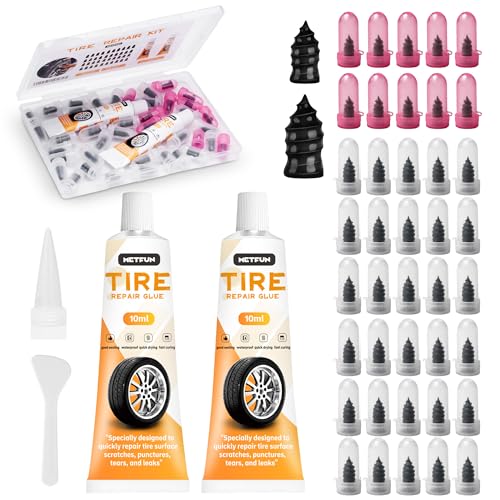
【Perfect Emergency Repair Solution】This kit includes 40 durable rubber repair screws (2 sizes for different punctures) and 2 tubes of fresh tire sealant—everything you need to fix tubeless tire punctures fast, and it’s definitely a great car tire repair kit to keep in your car for emergencies
Punctured Tire Safety Assessment
Driving with a punctured tire can pose significant risks, affecting both vehicle performance and safety. Understanding the implications of a tire puncture is crucial for making informed decisions about whether to repair or replace it. This assessment will help clarify the potential hazards and guide you in determining the best course of action for your vehicle.
Driving on a punctured tire can lead to loss of control and accidents. Always assess the damage carefully and consult a professional if unsure.
Puncture Assessment for Tire Safety
Assessing a punctured tire is crucial for ensuring your safety on the road. Understanding the extent of the damage can help you determine whether a repair is feasible or if a replacement is necessary. This section will guide you through the key factors to consider when evaluating a punctured tire.
Evaluate the type and severity of the puncture before deciding on a repair or replacement. Prioritize safety and consult a tire professional if needed.
