


Driving on a spare tire is generally safe for short distances and at reduced speeds. However, it is crucial to understand the limitations and risks associated with using a spare tire to ensure your safety on the road.
Spare Tire Types and Their Limitations
Spare tires come in various types, each designed for specific scenarios. Full-size spares match the original tires in size and performance. Temporary spares, often referred to as “donuts,” are smaller and lighter but have significant limitations. Knowing the type of spare you have can help you make informed decisions about its use.
Recommended Products
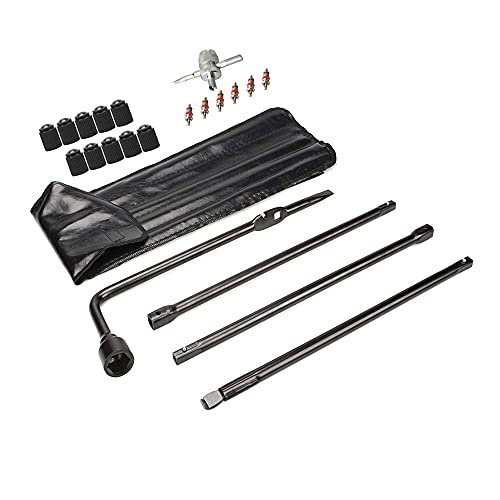
Premium OEM Upgraded Quality Spare Tire Tool: Stable strong rustproof automotive grade steel,tubing instead of soil designed made it more light,not only stong but also convenient.
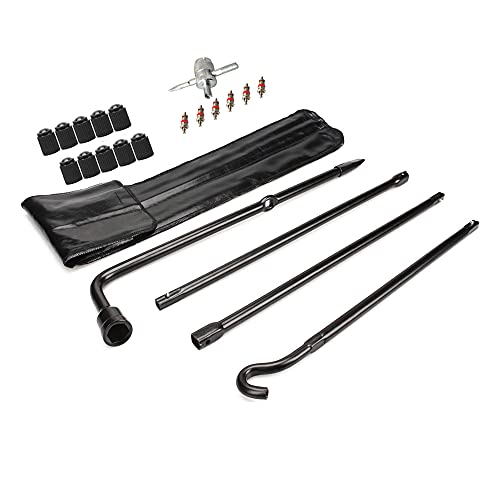
Premium OEM Upgraded Quality Spare tire tool: Stable strong rustproof automotive grade steel,tubing instead of soil designed made it more light,not only stong but also convenient.

Durable strong rustproof automotive grade steel, tubing instead of soil designed
Full-Size Spare Tire Benefits
Full-size spare tires offer significant advantages for drivers who prioritize safety and performance. Unlike compact spares, full-size options provide better handling, stability, and the ability to maintain highway speeds. Understanding these benefits can help you make informed decisions about your vehicle’s emergency preparedness and overall safety on the road.
A full-size spare tire offers the same performance and handling characteristics as your regular tires. This means you can drive at normal speeds and for longer distances without worrying about safety.
-
Pros of full-size spares
-
Same size as regular tires
-
Better handling and performance
-
Suitable for long-distance travel
-
Cons of full-size spares
-
Takes up more trunk space
-
Heavier than temporary spares
Temporary Spare Tire Limitations
Temporary spare tires, often referred to as “donuts,” are designed for short-term use and come with specific limitations that drivers should understand. These tires typically have reduced speed ratings and lower tread life compared to regular tires, making it crucial to know when and how to use them safely. Understanding these constraints can help prevent dangerous situations on the road.
Temporary spare tires are designed for short-term use. They are lighter and take up less space but come with speed and distance limitations. Most manufacturers recommend driving no faster than 50 mph and for no more than 70 miles.
-
Pros of temporary spares
-
Compact and lightweight
-
Easier to store in the vehicle
-
Cons of temporary spares
-
Limited speed and distance
-
Not suitable for long-term use
Spare Tire Safety Inspection Guidelines
When faced with a flat tire, using a spare can be a temporary solution, but ensuring its safety is crucial. This section outlines essential inspection guidelines to help you assess the condition of your spare tire, ensuring it is reliable and safe for the road. Understanding these safety checks can prevent further issues while driving.
Driving on a spare tire requires attention to safety. Inspect the spare before use to ensure it is properly inflated and in good condition. A flat or damaged spare can lead to accidents.
Spare Tire Inflation and Condition Guidelines
Understanding the proper inflation and condition of a spare tire is crucial for safe driving. Ensuring that your spare is adequately inflated and free from damage can make a significant difference in emergency situations. This section outlines essential guidelines to help you assess the readiness of your spare tire before hitting the road.
Always check the air pressure of your spare tire before installation. The recommended pressure is usually marked on the tire sidewall. A properly inflated spare ensures better handling and reduces the risk of blowouts.
-
Recommended pressure levels
-
Full-size spares: Same as regular tires
-
Temporary spares: Typically 60 psi
Spare Tire Handling and Stability Issues
When driving on a spare tire, understanding its handling and stability is crucial for safety. Spare tires, often designed for temporary use, can significantly affect vehicle performance and control. This section delves into the specific handling characteristics and stability concerns associated with spare tires, ensuring drivers are well-informed before hitting the road.
Driving on a spare tire can affect your vehicle’s handling. Full-size spares maintain normal handling, while temporary spares can alter your vehicle’s stability. Be cautious when cornering or braking.
| Tire Type | Speed Limit | Distance Limit | Handling Characteristics |
|---|---|---|---|
| Full-Size Spare | No limit | Same as regular tires | Normal handling |
| Temporary Spare | 50 mph | 70 miles | Altered handling |
Spare Tire Legal and Insurance Considerations
Understanding the legal and insurance implications of driving on a spare tire is crucial for any driver. This section delves into the regulations surrounding spare tire usage and how they may affect your insurance coverage. Being informed can help you avoid potential legal issues and ensure you’re adequately protected on the road.
Using a spare tire can have legal and insurance implications. Some states have specific regulations regarding spare tire use. Check local laws to avoid fines.
Recommended Products

Lower and raise pulleys to retrieve cradle-suspended spare tires from a variety of vehicles

【RETRIEVAL KIT】This comprehensive 7-piece tool kit is specifically designed to lower and raise the cradle-suspended spare tires found on many SUVs, trucks, and vans. Everything you need to safely access your spare tire is included in one organized set.

Spare Tire Insurance Coverage Insights
Understanding spare tire insurance coverage is crucial for drivers who rely on these temporary solutions. Many may not realize that standard auto insurance policies often do not cover spare tires, leaving them vulnerable in case of damage or theft. Exploring the specifics of coverage can help ensure you are adequately protected while on the road.
Insurance policies may vary in coverage for incidents involving spare tires. Ensure your policy covers damages incurred while driving on a spare. Contact your insurance provider for clarification.
Roadside Assistance Program Benefits
When faced with a flat tire, knowing the benefits of a roadside assistance program can provide peace of mind. These programs offer crucial support, from tire changes to towing services, ensuring you stay safe and mobile. Understanding these advantages can help you make informed decisions about your vehicle’s maintenance and emergency preparedness.
Consider enrolling in a roadside assistance program. This can provide peace of mind in case of a flat tire or other issues while driving on a spare.
Best Practices for Spare Tire Use
Understanding how to properly use a spare tire is crucial for maintaining safety on the road. This section outlines best practices that ensure your spare tire can effectively support your vehicle until a permanent solution is found. Familiarizing yourself with these guidelines can help prevent accidents and extend the life of your spare tire.
To maximize safety while driving on a spare, follow these best practices. Always plan to replace the spare with a full-size tire as soon as possible.
-
Drive cautiously and avoid sharp turns
-
Monitor tire pressure regularly
-
Replace the spare with a full-size tire promptly
Driving on a spare tire for extended periods can lead to unsafe driving conditions.
Spare Tire Safety Guidelines and Considerations
Understanding the safety guidelines and considerations for driving on a spare tire is crucial for every driver. Spare tires are designed for temporary use, and knowing their limitations can prevent dangerous situations on the road. This section outlines essential safety facts to ensure you navigate safely while relying on a spare tire.
Understanding the limitations and safety considerations of spare tires is essential for safe driving. Always prioritize tire maintenance and compliance with local regulations to ensure your safety on the road.
