


Driving a front-wheel drive vehicle in snow can be safe if proper precautions are taken. With the right tires and driving techniques, FWD vehicles can perform adequately in winter conditions.
Front-Wheel Drive Performance in Snow
Front-wheel drive vehicles distribute power to the front wheels, which can enhance traction on slippery surfaces. This design allows the vehicle’s weight to rest on the front tires, improving grip. However, FWD has limitations compared to all-wheel drive systems, especially in deep snow or icy conditions. Understanding these capabilities is crucial for safe winter driving.
Recommended Products

WINTER TRACTION DEVICE FOR SNOW & ICE – AutoSock tire snow socks improve tire traction on winter roads when extra grip is needed or chain laws apply. Approved across the U.S. with traction laws. Passenger Cars, SUVs & Pickups: use up to 30 MPH.

Perfect Alternative to Snow Chains: This set 2 of tire snow socks folds down into a compact carrying case and can be stowed away in your car for a snow or ice emergency. Enjoy a smoother ride, minus the bumps, noise and damage to rims associated with traditional tire chains.
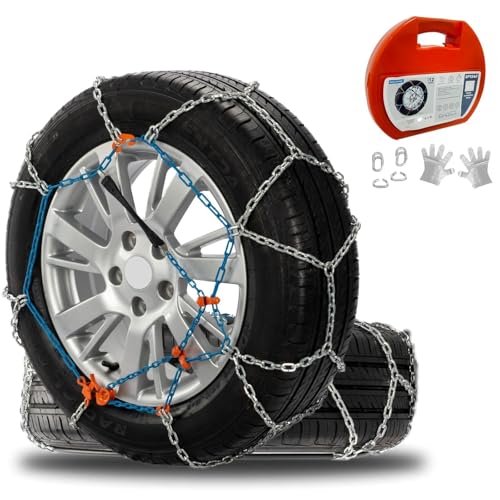
Premium Durability: Our snow chains for car tires are crafted from high-quality steel, ensuring exceptional performance without damaging your tires, promoting safety during winter driving
Winter Driving Supply Essentials
When driving a front-wheel-drive vehicle in snowy conditions, having the right supplies can significantly enhance safety and performance. This section outlines essential winter driving supplies that every driver should consider to navigate challenging weather effectively. From tire traction aids to emergency kits, being prepared can make all the difference on the road.
Before heading out in winter conditions, ensure your vehicle is equipped with essential supplies. A well-prepared vehicle can make a significant difference in safety and performance. Here’s a checklist of items to keep in your car:
| Item | Purpose |
|---|---|
| Winter Tires | Enhance traction on snow and ice |
| Ice Scraper | Clear windows for visibility |
| Jumper Cables | Assist with dead battery issues |
| Shovel | Help dig out if stuck |
| Sand or Kitty Litter | Provide traction if stuck |
Winter Vehicle Preparation Tips for Safety
Preparing your vehicle for winter driving is essential, especially when navigating snowy conditions with front-wheel drive. By taking specific steps to enhance your vehicle’s safety and performance, you can significantly reduce the risks associated with winter travel. These preparation tips will help ensure that your car is ready to handle the challenges of icy roads and snow-covered terrain.
Preparation is vital for safe winter driving. Ensure your vehicle is in good mechanical condition, focusing on the brakes, battery, and lights.
Check tire pressure regularly, as it can drop in colder temperatures. Additionally, consider the following safety tips:
-
Keep the fuel tank full to prevent fuel line freeze.
-
Pack an emergency kit with blankets, food, and water.
-
Plan your route and check weather conditions before departing.
Essential Techniques for Safe FWD Driving in Snow
Driving a front-wheel drive vehicle in snowy conditions can present unique challenges. Understanding essential techniques can significantly enhance your safety and performance on winter roads. This guide will equip you with practical strategies to navigate snow-covered terrain effectively.
Driving techniques play a significant role in how well a FWD vehicle performs in snow. Employing safe driving practices can help maintain control. Key techniques include:
-
Accelerate gently to avoid wheel spin.
-
Brake early and gradually to prevent skidding.
-
Steer smoothly to maintain traction.
Adjusting your driving style to the conditions can significantly improve safety.
Front-Wheel Drive Performance in Snow Conditions
Front-wheel drive vehicles are often a popular choice for winter driving due to their weight distribution and traction advantages. Understanding how these vehicles perform in snowy conditions can help drivers make informed decisions about safety and handling. This section delves into the specific characteristics of front-wheel drive systems and their effectiveness on snow-covered roads.
While FWD vehicles can handle light to moderate snow, they have limitations. In deep snow or icy conditions, the vehicle may struggle.
Recognizing when to avoid driving is essential. Consider these factors:
-
Snow depth exceeding the vehicle’s ground clearance can lead to getting stuck.
-
Icy conditions may cause loss of traction, even with winter tires.
-
Heavy snowfall can obscure road markings and hazards.
Winter Driving Condition Assessments
Assessing winter driving conditions is crucial for ensuring safety on the road, especially when navigating snow with a front-wheel drive vehicle. Understanding how various factors like temperature, road surface, and visibility impact driving performance can help you make informed decisions and prepare effectively for winter travel. This section delves into the essential evaluations needed for safe winter driving.
Always assess road conditions before driving. If conditions are severe, consider alternative transportation options.
Winter Maintenance for FWD Vehicles
Maintaining a front-wheel drive vehicle during winter is crucial for ensuring safety and performance on snowy roads. Proper winter maintenance can enhance traction and control, helping drivers navigate challenging conditions. This section outlines essential tips and practices to keep your FWD vehicle in optimal shape for winter driving.
Regular maintenance can enhance the performance of your FWD vehicle in winter. Key maintenance tasks include:
-
Check tire tread depth to ensure optimal grip.
-
Inspect wiper blades for clear visibility.
-
Test the battery to prevent failures in cold weather.
A well-maintained vehicle is more likely to perform safely in winter conditions.
Front-Wheel Drive Safety in Snow
Driving in snowy conditions can be challenging, especially when considering the type of vehicle you have. Front-wheel drive vehicles offer distinct advantages in winter weather, but understanding their limitations is crucial for safe navigation. This section delves into the performance of front-wheel drive cars in snow and provides essential tips for enhancing safety on icy roads.
Driving a front-wheel drive vehicle in snow can be safe with the right preparations and techniques. Understanding the vehicle’s capabilities and limitations is essential for navigating winter roads effectively.
