


Driving a front-wheel drive vehicle in snow can be safe if you take appropriate precautions. Proper tires, driving techniques, and vehicle maintenance are essential to ensure safe winter handling.
Front-Wheel Drive Performance in Snow
Front-wheel drive vehicles distribute power to the front wheels, which helps with traction in slippery conditions. The weight of the engine over the front wheels enhances grip, making these vehicles generally better in snow than rear-wheel drive models. However, understanding the limitations of front-wheel drive is crucial for safe operation.
Recommended Products


“B” size chains fit most ATV/UTV models with tire sizes up to 25x8-12 / 25x8-14

Manual tensioning snow chains with a maximum footprint of 9 mm. Model Brenta 9. Recommended for front-wheel drive cars on urban routes and paved roads.
Benefits of Front-Wheel Drive in Snow
Front-wheel drive vehicles offer distinct advantages in snowy conditions, enhancing traction and stability on slippery surfaces. Their design allows the weight of the engine to rest over the front wheels, improving grip and control. Understanding these benefits can help drivers make informed decisions about navigating winter weather safely.
Front-wheel drive vehicles offer several benefits in snowy conditions.
-
Improved traction due to weight distribution
-
Better fuel efficiency compared to all-wheel drive
-
Lower production costs, making them more affordable
These advantages make front-wheel drive a popular choice for winter driving.
Winter Vehicle Readiness for Snow Driving
Preparing your vehicle for winter driving is essential, especially when navigating snowy conditions. Front-wheel drive vehicles can perform well in snow, but proper readiness is crucial for safety and handling. This section will outline key steps to ensure your vehicle is equipped to tackle winter weather effectively.
Preparing your vehicle for winter is vital for safety.
-
Install winter tires: These tires provide better grip and handling in snow and ice.
-
Check tire pressure: Cold temperatures can reduce tire pressure, affecting traction.
-
Inspect wiper blades: Ensure visibility by replacing worn wipers.
A well-prepared vehicle increases safety on snowy roads.
Front-Wheel Drive Snow Handling Techniques
Driving a front-wheel-drive vehicle in snowy conditions presents unique challenges and advantages. Understanding effective handling techniques can significantly enhance safety and control on slippery roads. This section outlines practical tips to optimize your front-wheel-drive vehicle’s performance during winter driving.
Driving a front-wheel drive vehicle in snow requires specific techniques to maintain control.
-
Accelerate gently: Sudden acceleration can cause wheel spin.
-
Brake early: Start braking sooner than usual to avoid skidding.
-
Steer smoothly: Quick steering adjustments can lead to loss of control.
These techniques help maintain traction and stability.
Recommended Products

The role of snow chains:Designed to increase friction between tires and the road, these anti-slip snow chains ensure safe driving on snow and muddy roads,providing peace of mind in winter or rainy weather

Durable, low profile traction cleats fit over shoes and boots to provide superior traction during prolonged use on icy, snowy surfaces

High-quality Material: This tire chain is made of TPU, which offers excellent toughness. It does not harden or become brittle in cold winter conditions, is wear-resistant and tear-resistant, withstands road friction, and resists deformation.
Front-Wheel Drive Snow Handling Limits
Front-wheel drive vehicles are often praised for their handling in various conditions, but their performance in snow can vary significantly. Understanding the limitations of front-wheel drive systems in winter weather is crucial for safe driving. This section explores the specific challenges and considerations drivers should keep in mind when navigating snowy roads.
Even with front-wheel drive, vehicles have limits in snow.
-
Avoid sudden movements: Quick turns or stops can lead to sliding.
-
Know your stopping distance: Snow increases stopping distance significantly.
-
Be aware of black ice: This invisible hazard can catch drivers off guard.
Recognizing these limits is essential for safe winter driving.
Front-Wheel Drive Performance in Snow
Front-wheel drive vehicles can offer a reliable performance in snowy conditions, but their effectiveness largely depends on various factors including tire quality and driving techniques. Understanding how front-wheel drive systems interact with winter weather can enhance safety and control on slippery roads. This section explores the capabilities and limitations of front-wheel drive in snow, providing essential insights for winter driving.
Adapting to winter conditions is critical for safety.
-
Maintain a safe following distance: Increase space between vehicles to allow for longer stopping distances.
-
Use low gears on inclines: This helps maintain traction when climbing hills.
-
Stay calm in skids: Steer into the skid to regain control.
These strategies enhance safety and confidence on the road.
Winter Driving Conditions and Recommendations
Driving in winter conditions presents unique challenges, particularly for those using front-wheel drive vehicles. Understanding how snow and ice affect handling can make a significant difference in safety and performance. This section explores key factors influencing winter driving and offers practical recommendations to enhance your experience on slippery roads.
| Condition | Recommended Action | Difficulty Level (1-5) |
|---|---|---|
| Slippery roads | Use winter tires | 2 |
| Heavy snowfall | Drive slowly | 3 |
| Icy conditions | Avoid sudden movements | 4 |
| Visibility issues | Replace wiper blades | 1 |
Essential Gear for Winter Driving Safety
When driving in snowy conditions, having the right gear is crucial for maintaining safety and control. This section outlines the essential equipment you should consider for your front-wheel drive vehicle, ensuring you’re well-prepared to handle winter’s challenges. From tires to emergency kits, being equipped can make a significant difference in your driving experience.
Having the right equipment can make a significant difference.
-
Winter tires: Essential for improved traction.
-
Emergency kit: Include blankets, food, and a flashlight.
-
Ice scraper: Necessary for clearing windshields.
Equipping your vehicle with these items prepares you for unexpected situations.
Recommended Products

Premium Roadside Emergency Kit: This winter safety kit includes 86 essential items, featuring 12 ft 8 Gauge jumper cables, and a 73-item first aid kit, preparing you for any roadside crisis
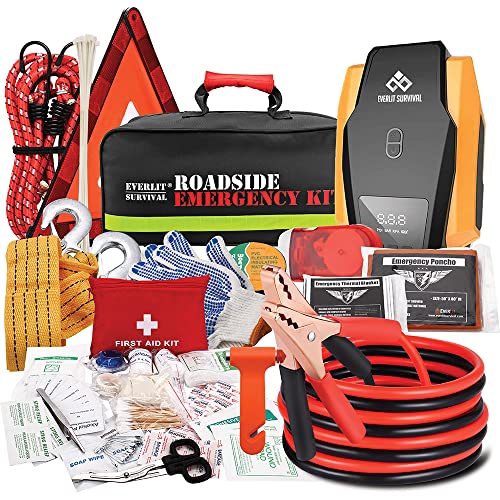
The Road Guardian- The portable roadside assistance kit is designed and hand picked by a group of experienced veterans and experts to provide every essential tools you need in roadside emergencies. The automotive safety bag contains accessories such as repair cable ties, bungee cords, electrical tape, space blanket, rain poncho, reflective warning triangle, glass breaker, seatbelt cutter, safety gloves, tow rope and more to get your vehicle back on the road and continue your travel.

Complete Roadside Emergency Kit: This all-in-one car emergency kit includes 170 essential items, featuring 12 ft 8 Gauge jumper cables, a digital air compressor for accurate tire inflation, a 138-item first aid kit, 22 pcs car tool kit, 2 in 1 ice scraper & snow brush and more, preparing you for any roadside crisis
Winter Driving Safety Considerations
Driving in winter conditions presents unique challenges, especially for those with front-wheel drive vehicles. Understanding how to navigate snow and ice safely is crucial for maintaining control and preventing accidents. This section explores key safety considerations to help drivers make informed decisions when tackling winter roads.
Always check weather conditions before driving in snow.
Winter Driving Strategies for Front-Wheel Drive
Driving a front-wheel drive vehicle in snowy conditions can present unique challenges, but with the right strategies, you can enhance your safety and control. Understanding how to navigate winter roads effectively is crucial for maintaining traction and stability. This section outlines essential tips and techniques tailored for front-wheel drive vehicles to help you handle winter driving conditions confidently.
Driving a front-wheel drive vehicle in snow is manageable with the right preparation and techniques. Understanding your vehicle’s dynamics and practicing safe driving habits will enhance your winter driving experience.
