


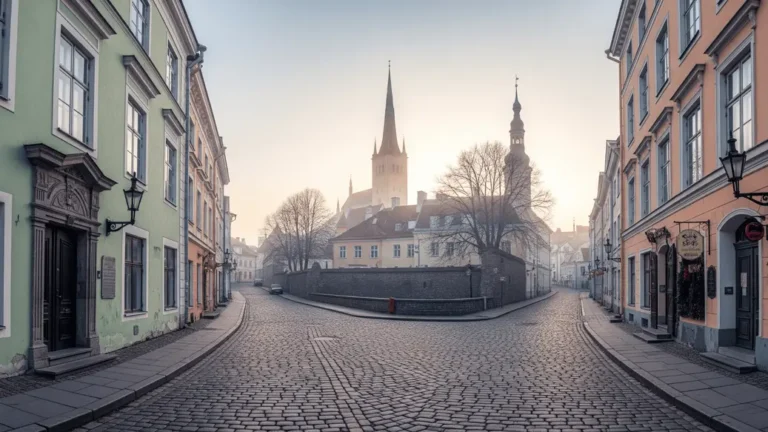
Thinking about a trip to Eastern Europe? You’re not alone. Many travelers are drawn to its rich history stunning landscapes and vibrant cultures. But safety concerns can make anyone hesitate.
Key Takeaways
- General Safety: While Eastern Europe is largely safe for tourists, urban centers like Prague and Budapest are especially low in crime, whereas rural areas may require extra caution.
- Health Care Awareness: Quality of healthcare varies; major cities have better facilities. It’s essential to have travel insurance and carry necessary medications.
- Transportation Tips: Public transportation is efficient, but travelers should validate tickets and remain vigilant against scams.
- Cultural Respect: Familiarize yourself with local customs and basic phrases to enhance interactions and show respect for local traditions.
- Crime Prevention: Exercise awareness of petty crime such as pickpocketing, especially in crowded tourist areas, to safeguard belongings.
- Explore Varied Destinations: Each city in Eastern Europe offers unique attractions, from Budapest’s thermal baths to Krakow’s historic sites, ensuring a rich travel experience.
Overview of Eastern Europe
Eastern Europe comprises diverse countries with unique histories and cultures, including Poland, Hungary, the Czech Republic, Romania, and the Baltic states. This region features stunning landscapes, from the Carpathian Mountains to the stunning coastlines along the Adriatic Sea.
Safety Overview
Traveling in Eastern Europe is generally safe, but some areas may pose risks. Urban centers like Prague and Budapest tend to have lower crime rates, while rural regions may require extra caution. Stay informed about local issues or travel advisories from sources like the U.S. State Department.
Health Considerations
Healthcare quality varies across Eastern Europe. Major cities have well-equipped medical facilities, while rural areas might lack immediate access to care. Purchase travel insurance that covers health emergencies, and keep necessary medications on hand.
Transportation
Public transportation in Eastern Europe is efficient and affordable. Trains and buses connect cities, making travel convenient. Always validate tickets and stay alert during journeys to avoid scams.
Language and Communication
English is widely spoken in tourist areas, but knowing a few basic phrases in local languages can enhance your experience. This effort can open doors and establish goodwill with locals.
Local Customs and Etiquette
Understanding local customs can enrich your stay. Greetings may vary; handshakes are common, while some cultures value a bow. Respecting traditions, such as dress codes when visiting religious sites, reflects positively on you as a visitor.
Currency and Costs
Eastern Europe offers a range of budgeting options. While some countries use the Euro, others maintain their currencies. Research local prices to manage expenses effectively, and consider using credit cards for added convenience.
Regional Highlights
Explore numerous attractions throughout Eastern Europe. Budapest’s thermal baths, Prague’s historic architecture, and Krakow’s rich cultural heritage offer memorable experiences. Each destination brings its unique flavor and opportunities for adventure.
For a safe and enjoyable trip, stay informed about your destinations, or follow local guidelines to make the most of your Eastern European adventure.
Current Safety Situation
Safety in Eastern Europe varies by country and region but remains a worthwhile consideration when planning your trip. Understanding the current safety situation can help you enjoy your travel experience fully.
Political Climate
Political stability is generally favorable in Eastern Europe, although it varies by country. Nations like Poland, Hungary, and the Czech Republic experience stable democratic governance. However, some regions may experience political protests or tensions, particularly in countries like Belarus and Ukraine. Staying updated through reliable news sources is essential as this information shapes your travel decisions and routes.
Crime Rates
Crime rates in Eastern Europe are relatively low, especially in major cities. For example, Prague and Budapest report lower crime rates compared to many Western European capitals. Petty theft, such as pickpocketing, can occur, particularly in crowded tourist areas. Being vigilant, securing your belongings, and avoiding unfamiliar areas at night can minimize risks.
| City | Crime Rate (per 100,000 inhabitants) | Common Crime Types |
|---|---|---|
| Prague | 123 | Pickpocketing, scams |
| Budapest | 138 | Petty theft, scams |
| Warsaw | 152 | Theft, vandalism |
| Bucharest | 174 | Pickpocketing, scams |
Awareness of local crime patterns and staying within well-trafficked areas can enhance your overall safety.
Popular Travel Destinations
Eastern Europe offers a mix of enchanting cities and picturesque rural areas. Each destination provides unique experiences worth exploring.
Major Cities
Prague, Czech Republic, showcases stunning medieval architecture, including the iconic Charles Bridge and Prague Castle. Budapest, Hungary, captivates with its thermal baths and the majestic Danube River. Krakow, Poland, delights with its historic Old Town and the poignant Auschwitz-Birkenau Memorial. Warsaw, Poland’s capital, combines modernity and history, featuring the reconstructed Old Town and the Warsaw Uprising Museum. Bucharest, Romania, stands out with its eclectic architecture and vibrant nightlife. Explore public transport systems in these cities to navigate easily, and always stay aware of your surroundings.
Rural Areas
Rural areas in Eastern Europe provide serene landscapes and authentic experiences. The picturesque Tatra Mountains in Poland offer excellent hiking opportunities. The Romanian countryside features the charming region of Transylvania, known for its castles and folklore. Visit the peaceful villages of Slovakia, where traditional culture thrives. Discover the scenic beauty of Latvia’s countryside with its lush forests and tranquil lakes. Engage with local communities to immerse yourself in traditions, and remember to respect local customs to enhance your travel experience.
Travel Tips and Precautions
Traveling to Eastern Europe offers enriching experiences, but taking precautions enhances your safety and enjoyment. Here are essential tips for a successful trip.
Health and Safety
Stay updated on health advisories regarding vaccinations and disease outbreaks. Be aware of local healthcare facilities; major cities often feature hospitals and clinics with quality services. Carry necessary medications, including prescriptions and a first-aid kit. It’s smart to purchase travel insurance that covers medical emergencies.
Stay alert in crowded areas; petty crimes can occur, particularly in tourist spots. Use a money belt or a secure bag to protect your belongings. Familiarize yourself with local emergency numbers in each country you visit. For instance, in Poland, dial 112 for emergencies.
Cultural Sensitivity
Respect local customs and traditions to foster positive interactions. Research cultural norms before your visit. For example, in many Eastern European countries, addressing individuals with their titles and last names is courteous. When dining, wait for the host to begin eating, as it signifies respect.
Learn basic phrases in the local language. Simple greetings or expressions of gratitude impress locals and showcase your willingness to engage with their culture. In Romania, saying “mulțumesc” means “thank you,” while in Hungary, “köszönöm” serves the same purpose.
Adapting to local customs, such as appropriate dress codes in religious sites, can enhance mutual respect and understanding. By staying informed and courteous, you create a welcoming atmosphere wherever you travel.
Conclusion
Traveling to Eastern Europe can be a fantastic experience filled with rich history and stunning landscapes. While it’s natural to have safety concerns, you’ll find that many cities are welcoming and generally safe. Staying informed and being mindful of your surroundings can go a long way in ensuring a smooth trip.
Embrace the local culture and customs as you explore vibrant cities and charming rural areas. With a little planning and awareness, you’re set to have an unforgettable adventure in this beautiful part of the world. So pack your bags and get ready to create lasting memories in Eastern Europe!
Frequently Asked Questions
What are the main attractions in Eastern Europe?
Eastern Europe boasts stunning attractions, such as Prague’s historic architecture, Budapest’s thermal baths, and Krakow’s rich culture. Rural areas like the Tatra Mountains in Poland and Transylvania in Romania also offer beautiful landscapes and unique folklore experiences.
Is Eastern Europe a safe travel destination?
Generally, Eastern Europe is safe for travelers, especially in major cities like Prague and Budapest, which have low crime rates. However, staying informed about local issues and following safety tips is crucial for a secure experience.
What travel tips should I follow for Eastern Europe?
To ensure a successful trip, stay informed about health advisories, carry necessary medications, purchase travel insurance, and use secure bags in crowded areas. Learning basic local language phrases and respecting customs can enrich your experience.
How is the healthcare system in Eastern Europe?
Healthcare quality varies throughout Eastern Europe, with major cities offering well-equipped facilities. It’s advisable to buy travel insurance that covers medical emergencies and to keep necessary medications on hand during your trip.
How do I navigate public transportation in Eastern Europe?
Public transportation in Eastern Europe is typically efficient and affordable. Remember to validate your tickets and remain alert to avoid scams, especially in crowded areas. Familiarizing yourself with local transportation options can enhance your travel experience.
What is the best way to handle currency and payments in Eastern Europe?
Research local currency and costs before your trip. While cash is important, many places accept credit cards. It’s wise to keep some cash handy for smaller vendors or cities where card acceptance may be limited.
Are there any safety concerns related to political situations in Eastern Europe?
While safety varies by country, most nations like Poland, Hungary, and the Czech Republic have favorable political climates. However, travelers should be cautious in regions like Belarus and Ukraine, where political protests may occur. Staying informed is key.
How can I engage with local communities while traveling in Eastern Europe?
Engaging with local communities can enhance your travel experience. Respect local customs, learn a few phrases in the local language, and participate in traditional activities. This fosters positive interactions and enriches your understanding of the cultures you encounter.
