Last reviewed: November 2026. Rules and booking systems differ by country and operator, so check the rail operator’s website for your route.
Train travel in Europe is safe, comfortable and often faster than flying between city centers. Serious accidents are rare, and most problems travelers have are about theft, missed connections and confusing tickets, not danger.
Here’s what to know about safety on European trains, how to protect your bags, and the practical details that make journeys smoother.
Is train travel in Europe safe?
Yes. Rail is one of the safest ways to travel in Europe, and the European Union Agency for Railways monitors safety across member states. The biggest risks for travelers are pickpocketing in busy stations, bag theft on trains, and occasional disruption from strikes and storms.
Protecting your belongings
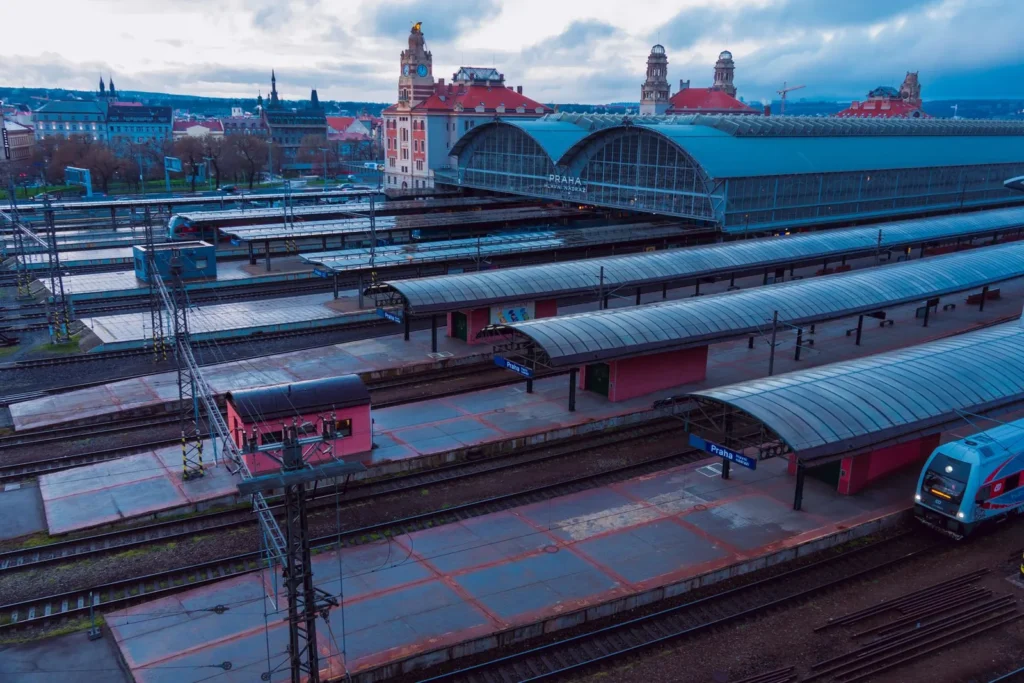
- Stations are the hot spot. Pickpockets target crowds at ticket machines, escalators and boarding. Keep your bag zipped and in front of you.
- Keep valuables with you. Passport, phone, cards and laptop stay in a bag on your lap or at your feet, never in the luggage rack.
- Watch the luggage rack. Racks near the doors make it easy for a thief to step off at a stop with a bag. If you can, store your suitcase where you can see it, or use a cable lock.
- Be wary of “helpers” who offer to carry your bag or help with a ticket machine and then ask for money.
- Don’t leave your seat with a bag on it when the train is stopped at a station.
These are the same tactics thieves use at famous sights; I go through them in my guide to scams and tourist traps at major attractions.
Night trains
Night trains are back on many European routes. They’re generally safe, and a few precautions help:
- Book a private or women-only compartment if one is offered and you want more privacy.
- Lock the compartment door and keep valuables in a bag you sleep with.
- Keep your passport accessible, as some routes have border checks.
If you’re traveling alone, my guide to solo travel safety has more on overnight journeys.
Recommended Products

Designed to be ultra-slim and discreet, Vantamo travel wallets fit comfortably under clothing and made from durable, water-resistant material. Whether you use it for daily use or travel, this belt bag concealed carry for women keeps your essentials safe without adding bulk or drawing attention.

HIDDEN MONEY BELT FOR TRAVEL – Slim Concealed Passport Holder Under Clothes: At just 0.2" thick, this slim hidden money belt for travel stays invisible under a t-shirt or dress shirt – a concealed passport holder, undercover money belt, and discreet body wallet contoured for men's and women's body shapes. In multiple discreet colors to match any wardrobe, it keeps cash, cards, and travel documents hidden in airports, hotels, crowded markets, tourist attractions, and public transportation.

Full 360 Degree RFID Protection: Shielding wraps this RFID money belt for travel women and men on every side, guarding passport, credit cards and ID from digital pickpocketing in airports and train stations
Tickets and validation
- Book high-speed trains early. Many high-speed and long-distance trains need a reservation, and prices usually rise closer to departure.
- Validate paper tickets where required. In some countries, such as Italy, open regional paper tickets must be validated in a machine before you board, or you risk a fine. Check the rules on your ticket or the operator’s site.
- Rail passes don’t always include seats. With a Eurail or Interrail pass, many high-speed and night trains still require a paid reservation.
- Use official apps and sites or well-known booking platforms to avoid fake ticket sellers.
Booking with the main operators
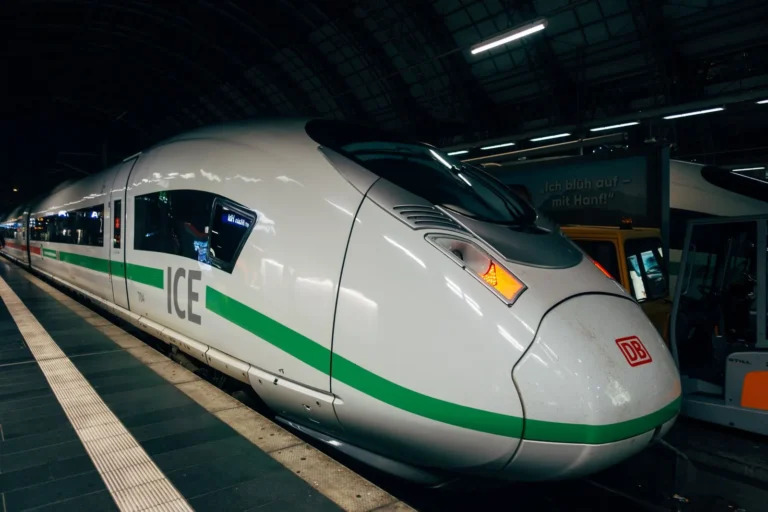
Each country has its national operator, such as SNCF in France, Deutsche Bahn in Germany, Trenitalia in Italy and Renfe in Spain, and several routes now have private competitors too, such as Italo in Italy. Booking directly with the operator is usually cheapest and makes changes easier. Eurostar, between London and the continent, is different: there’s security screening and passport control before boarding, so arrive well ahead of departure as instructed on your ticket.
If you need help boarding because of a disability or reduced mobility, operators offer free assistance. Under EU rail passenger rules, you should request it at least 24 hours before travel.
Recommended Products
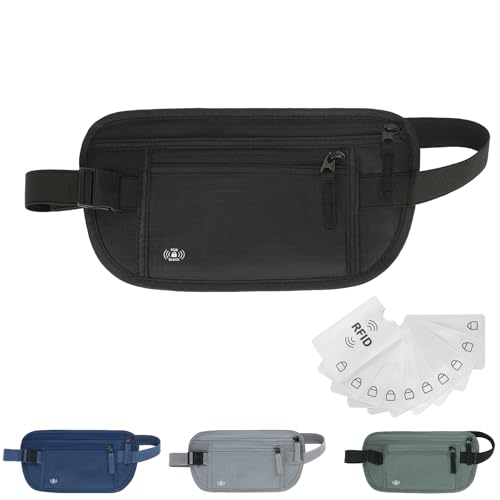
【Money Belt】The money belt features an elastic stretch band that can attach to people of all waist sizes. Length 10.4 inches, Width 5.51 inches. We also offer 10 free RFID card holders as a gift. This money belt has three pockets, a small pocket in the front, a large pocket in the front, and simple pocket at the back. The large pocket also has a mesh pocket, providing suitable storage space for various items.

MONEYSLIM & HIDEN TRAVEL FANNY PACK:Now you have enough place to store and hide your belongings like your IPhone, Keys, Money, Credit cards, Documents, Passport and more. BELT for TRAVEL: Anti-theft RFID Blocking material, effectively prevent your personal information from being scanned (credit card, passport, personal ID, cash, etc.) 1inch adjustable elastic strap, two metal zippers and pockets! Lined with two pockets for credit cards or coins, and a metal loop for keys

KEEP VALUABLES CONCEALED AND RFID PROTECTED: Enjoy the sights without checking your pockets — this slim travel belt bag conceals multiple passports, cash and cards under clothing, with 2 zippered compartments, 3 sleeves and room for an iPhone 18 Pro Max
Strikes and disruption
Rail strikes are common in some countries and are usually announced in advance. Check the news and the operator’s website in the days before you travel, and leave time between a train and a flight. If a train is badly delayed or canceled, EU rules give passengers rights to assistance, rerouting or refunds in many cases.
Emergencies
The European emergency number 112 works across the EU and in many other European countries. On board, look for the emergency alarm and intercom, and the conductor or train staff can help with medical problems and theft reports.
Rail in Eastern Europe
Trains in Central and Eastern Europe are generally safe and good value, though older rolling stock and slower routes are more common. My guide to safety in Eastern Europe covers the region. If you’re weighing a train against a short flight, see my comparison of train and plane safety.
Frequently asked questions
Are trains in Europe safe at night?
Yes, generally. Use a lockable compartment on night trains, keep valuables close, and stay alert at quieter stations late in the evening.
Which European stations are worst for pickpockets?
Any big, busy station in a tourist city can be a target. Be most careful while buying tickets and boarding.
Do I need to book European trains in advance?
For high-speed and night trains, yes, usually. Many regional trains don’t need a reservation.
Can I bring big luggage on European trains?
Usually, yes. Most trains have racks at the ends of cars and above seats. Some high-speed operators have size limits, so check before you travel.