


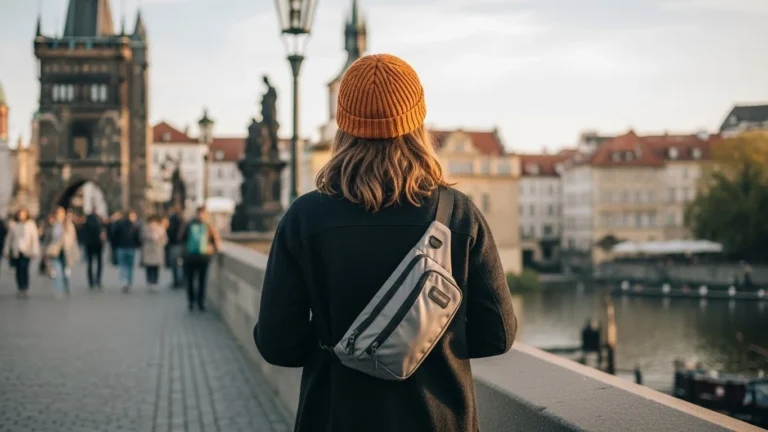
There is a specific kind of freedom that only comes when you are standing in a foreign city with nobody to check in with but yourself. You can eat dinner at 4:00 PM, spend three hours in a single bookstore, or change your entire itinerary on a whim without having to negotiate with a partner. For a lot of Americans, solo travel is the ultimate “bucket list” item, but it usually comes with a heavy side of anxiety. We have all heard the “taken” style warnings from well-meaning relatives, and while most of that is pure Hollywood fiction, traveling alone does require a different tactical approach than traveling in a pack.
These days the world is more connected than ever, which is a double edged sword for the solo adventurer. You have more tools to stay safe, but you also have more distractions that can make you a target if you aren’t careful. Being safe while alone isn’t about being scared; it is about being the most informed person in the room. If you follow a few basic rules of engagement, you can enjoy the solitude without the stress.
The Art of the “First Day” Strategy
The most vulnerable time for any solo traveler is the first twelve hours in a new country. You are likely tired, possibly jet-lagged, and definitely confused by the local geography. This is when mistakes happen. To mitigate this, always schedule your arrival for broad daylight. Navigating a new subway system or finding a hidden Airbnb is a fun challenge at 2:00 PM; it is a nightmare at 11:00 PM.
Another key “first day” rule is to have your transportation from the airport pre-booked. Whether it is a vetted shuttle or a reputable rideshare app, do not walk out of the terminal and start haggling with random drivers. You want to get from the secure environment of the airport to the secure environment of your hotel as quickly as possible so you can drop your bags, take a shower, and get your bearings without being a walking target for luggage thieves.
Digital Tethering and the Buddy System
Just because you are traveling alone doesn’t mean nobody should know where you are. In fact, your digital footprint is your best friend. Before you leave, set up a shared Google Doc or a simple notes page with a trusted person back home. Include your flight numbers, the names of your hotels, and any specific tours you have booked.
While on the road, use a location-sharing app. It doesn’t have to be on 24/7 if you value your privacy, but turning it on when you are heading out for a night walk or a solo hike is a smart move. Also, set a “missed check-in” protocol. Tell your person at home: “If you don’t hear a ‘Goodnight’ text from me by 10:00 PM your time, call me. If I don’t answer, here is the number for my hotel.” Having that invisible safety net allows you to relax and enjoy the moment.
Managing Your Social Persona
When you are alone, people will naturally be curious about you. Some of that curiosity is genuine hospitality, but some of it is people looking for a way in. One of the most important rules of solo safety is to never advertise that you are alone to a stranger. If a chatty person at a bar or a shop asks if you are on vacation by yourself, the answer is always: “No, my husband is back at the hotel with a headache,” or “I’m meeting my group for dinner in twenty minutes.”
This also applies to your digital life. Avoid posting your “real-time” location on social media. If you find a gorgeous cafe or a stunning view, wait until you have left that neighborhood or even that city before you post the photo. You don’t want a public digital trail of exactly where you are standing at any given moment.
A Lesson from the Train Tracks
I remember a solo trip through Eastern Europe where I was determined to look like a “local” who knew exactly what I was doing. I was standing on a train platform in a small town, looking at a map that was clearly not making any sense to me. A man approached me and offered to show me a “shortcut” to the other platform. My gut screamed no, but my American politeness almost won out because I didn’t want to seem rude. I finally just said “No, thank you” firmly and walked into a nearby ticket office to ask a uniformed employee instead. It turned out there was no shortcut. It was a simple moment, but it taught me that being “rude” to a stranger is a very small price to pay for staying in a safe, public space. Your intuition is your most important piece of gear.
The “Head Up, Phones Out” Rule
We all have the habit of walking with our noses buried in our phones, especially when we are using GPS to navigate. In a foreign city, this is a beacon for pickpockets. It signals that you are distracted and that you have a high-value piece of electronics in your hand.
Instead of staring at the blue dot on your screen, study the map before you leave your hotel. Memorize the next three turns. If you get turned around, step into a shop, a hotel lobby, or a cafe to check your phone. When you are walking on the street, keep your head up and your ears open. Avoiding noise-canceling headphones is a must. You need to be able to hear the scooter coming up behind you or the change in the tone of the crowd around you.
Physical Security: The Doorstop and the Decoy
Your hotel room or Airbnb should be your sanctuary. Even if the door has a deadbolt, carry a simple rubber doorstop. Wedging it under the door from the inside while you are sleeping provides a physical barrier that is incredibly hard to bypass. It is a cheap, lightweight piece of insurance that lets you sleep much more soundly.
As for your valuables, do not keep everything in one place. Use a “decoy” wallet with a small amount of local cash and some expired cards to hand over if you are ever confronted. Keep your primary credit cards and your passport in a hidden money belt or a secure hotel safe. When you are out and about, a crossbody bag with a slash-resistant strap is the gold standard for solo travelers. Keep it in front of you, especially in crowded markets or on public transit.
Choosing Your “Safe” Social Circles
Solo travel doesn’t have to be lonely. In fact, you will often meet more people when you are alone than when you are in a group. The trick is choosing the right environments. Joining a walking tour on your first day is a great way to meet fellow travelers in a structured, safe setting. You get the benefit of a local guide’s knowledge and a group of “instant friends” who can watch your back while you take a photo.
Hostels are also great, even if you book a private room. The communal areas are designed for social interaction, and you can often find a group heading out for dinner or a museum visit. Just remember to keep your “solo status” a bit vague until you have spent enough time with someone to trust them.
