Most travel scams aren’t clever. They work because you’re tired, distracted and trying to be polite in a place where you don’t know the rules yet. The good news is that the same few tricks show up again and again, and they tend to cluster by region. Once you know what’s common where you’re going, you’ll spot the setup long before the “ask.”
Below are the scams travelers report most often in each part of the world, what the first warning sign usually looks like, and the simplest way out. It is the regional companion to my general guide on common travel scams.
Last reviewed: November 2026. Scams change. Your government’s travel advice page for each country usually has a “safety and security” section listing current local scams.
The early warning signs (anywhere)
- A stranger starts the conversation, and it moves quickly toward somewhere you didn’t plan to go.
- Someone creates urgency: the attraction is “closed today,” the “last” ticket, or a “police” check.
- A price isn’t agreed before the service starts.
- Your attention is pulled one way (a spill, a petition, a dropped ring) while someone stands close on the other side.
If two of those happen together, smile, say no thanks, and walk toward people or a shop. The general playbook for these tricks is in my guide to common travel scams around the world.
Western Europe
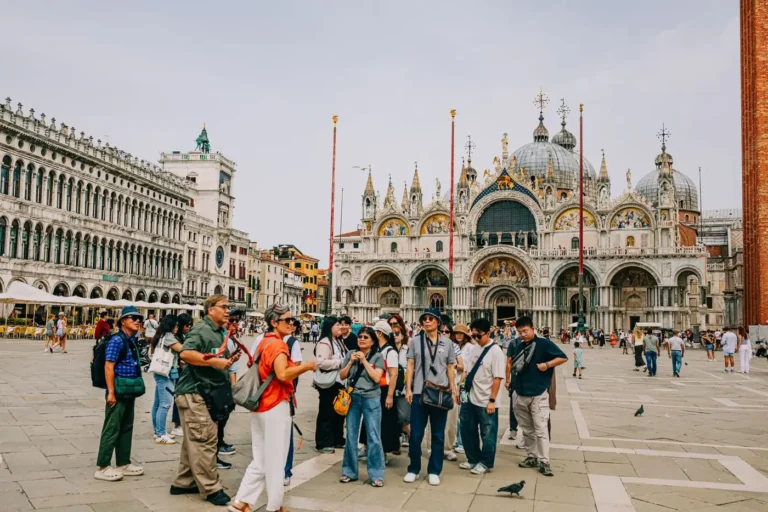
Petitions and friendship bracelets. Around big landmarks in Paris, Rome and Barcelona, people may ask you to sign a “charity” petition or tie a bracelet on your wrist, then demand money. Keep walking, and keep your hands in your pockets.
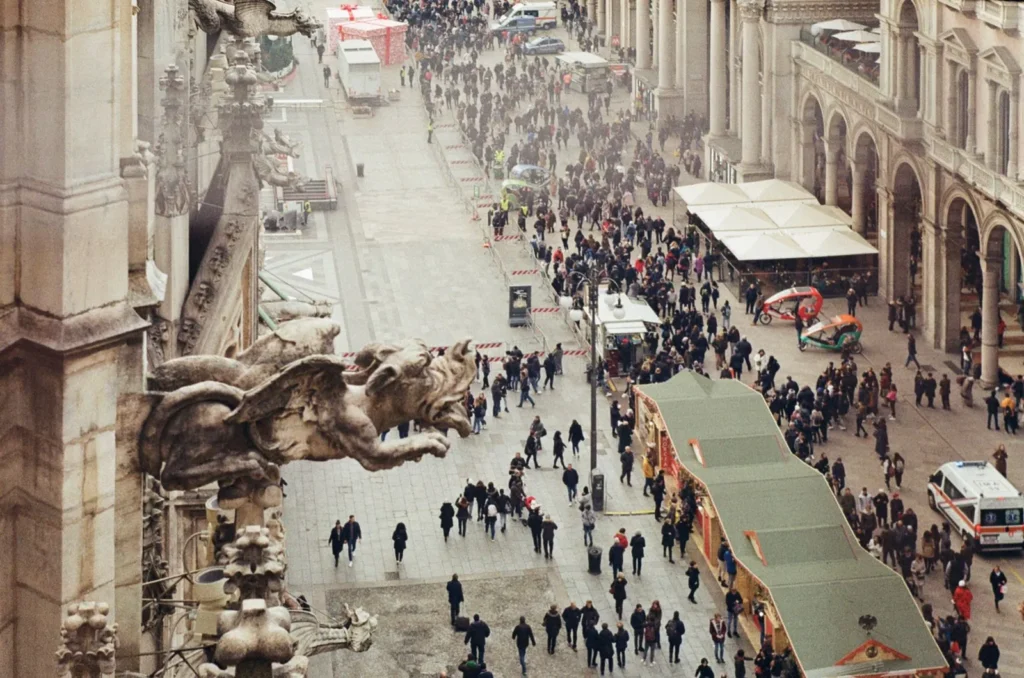
Distraction pickpocketing. On metros and in crowds, a common setup is a group pressing close as doors open, or someone “helping” with a stuck ticket machine. A crossbody bag worn in front and zipped makes you a much harder target.
Restaurant menus without prices. In some tourist zones, a “special” with no listed price can turn into a big bill. Ask the price before you order.
Our guide to avoiding scams at major attractions covers queue-jumping “guides” and fake tickets in more detail.
Eastern Europe and the Balkans
Inflated taxi fares from airports and train stations are the classic. Use the official taxi rank, a ride-hailing app where it operates, or ask your hotel what a fair fare is.
Bar and club bill scams. Travelers sometimes report being invited by friendly strangers to a particular bar and then presented with a huge bill. Choose your own venue, and check prices on the menu.
Currency exchange tricks. Street changers and some booths advertise “0% commission” with a terrible rate. Compare the rate with your banking app, or just use an ATM attached to a bank. There’s more on the region in our Eastern Europe safety guide.
Southeast Asia
“The temple is closed today.” In Bangkok especially, a friendly stranger may say a major sight is closed and offer a cheap tuk-tuk to somewhere else, usually a gem or tailor shop. Check opening hours yourself, and walk to the entrance.
Scooter rental damage claims. Some rental shops blame renters for scratches that were already there. Take a slow, timestamped video of the bike before you leave, and don’t hand over your passport as a deposit if you can avoid it. Our Phuket safety guide has more on scooters and taxis there.
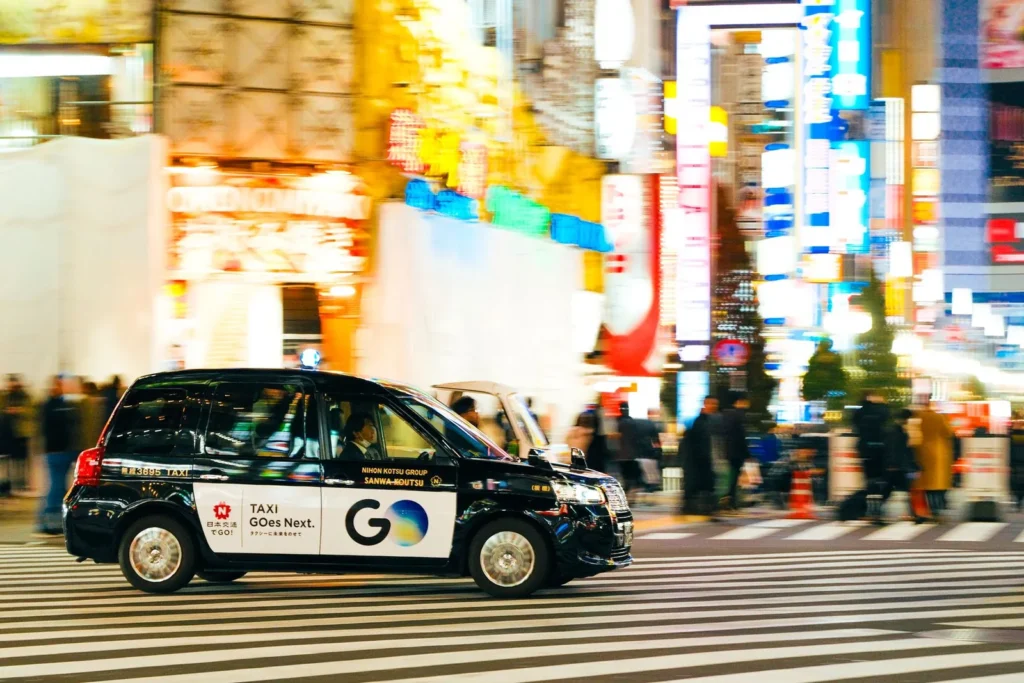
Unmetered taxis. Agree a fare, or ask for the meter, before getting in. Where ride-hailing apps operate, they remove the haggling entirely.
Latin America
Mustard or “bird droppings” spill. Someone squirts something on your clothes, a helpful stranger rushes to clean you up, and a third person lifts your wallet or bag. If something lands on you, hold your belongings tight and walk away to clean up somewhere safe.
Fake police checks. People posing as police may ask to “inspect” your wallet for counterfeit money. Real police rarely do this. Ask to go to the nearest police station, or call the local emergency number.
ATM skimming and “helpers.” Use ATMs inside banks or shopping centers during the day, cover the keypad, and refuse help from anyone nearby. Our guides to solo travel in Colombia and Guadalajara cover city-specific advice.
North Africa and the Middle East
Unofficial guides. In the old medinas of cities like Marrakech and Fes, people may offer to walk you somewhere, then ask for payment, or lead you to a relative’s shop. A polite, firm “no, thank you” and a downloaded offline map help a lot.
Henna and photo payments. Someone grabs your hand to start a henna design, or offers a photo with an animal, then asks for a large payment. Agree any price before anything starts, or decline.
Camel and taxi rides with moving prices. The price goes up halfway through the ride. Agree a total price, for the whole group, in the local currency, before you start.
North America
Ticket resale and fake listings. Fake event tickets and vacation-rental listings are common online. Book through official sellers or platforms with payment protection, and never pay a host by wire transfer outside the platform.
Card skimmers. Gas pumps and standalone ATMs are a common target. Tap to pay where you can.
Street games and “free” CDs. In busy tourist areas, someone may hand you an item and then demand payment. Don’t take things from strangers.
Online, before you even leave
Some of the costliest scams happen while you’re planning:
- Fake visa and eTA websites that charge a large “service fee” for something cheap or free. Apply only through the official government site.
- Booking-platform message scams asking you to “re-confirm” your card through a link. Contact the property through the app or the official site instead.
- Too-good-to-be-true rentals. Reverse image search the photos, and keep payment inside the platform.
If you’ve already shared a document, our guide on sharing a passport copy with a travel agent explains how to limit the risk. If a card or passport is stolen anyway, here’s what to do in a travel emergency abroad.
A few small things that help everywhere
An RFID-blocking wallet won’t stop a pickpocket, but a zipped crossbody bag worn in front, a spare card kept separately in your room safe and a little cash in a second pocket make you a less tempting target.
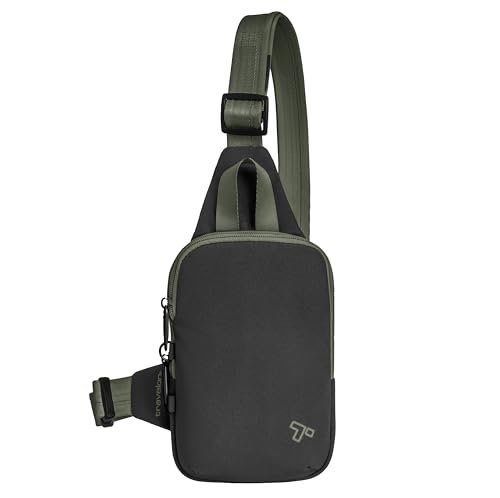
This modern compact sling provides the convenience of hands-free travel that makes bustling markets or an adventure hike worry free. Blending style, durability, safety features on every side, premium organization, slash-resistant and lightweight performance materials (only 0.65lbs)–is a game changing experience.
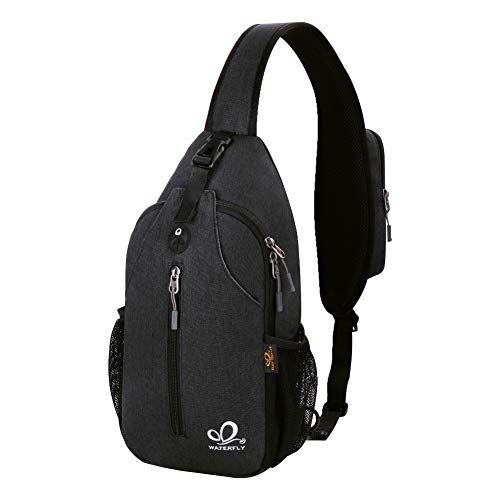
Keep Everything in Order: Size: 7 x 3.5 x 15 inches /18 x 9 x 38 cm. The front zipper bag and buckle bag allow you to store iPad mini, iPhone 7 Plus, power band, etc., with several separate small compartments inside, it can effectively keep your small items like makeup, tissue, keys and so on. The side mesh pocket is 6 inches height, it can hold 2.4 inch(diameter) bottle

This modern compact sling provides the convenience of hands-free travel that makes bustling markets or an adventure hike worry free. Blending style, durability, safety features on every side, premium organization, slash-resistant and lightweight performance materials (only 0.65lbs)–is a game changing experience.
Affiliate links: if you buy through these, I may earn a small commission at no cost to you.
Most of all, it’s fine to be “rude.” Walking away from a stranger mid-sentence might feel awkward, but nobody who genuinely wants to help you will mind.