Last reviewed: November 2026. Entry rules, museum discounts and fees change, so check official sources before you book.
Europe doesn’t have to be expensive. The biggest savings come from three choices: where you go, when you go and how you get around. A week in Kraków or Sofia can cost a fraction of the same week in Paris or Zurich, and even the pricier countries have cheaper regions and seasons.
This guide covers the most affordable parts of Europe, the costs that catch people out, and the money-saving habits that make the biggest difference.
The most affordable regions
Central and Eastern Europe
This is where your money goes furthest. Accommodation, food and public transport are generally much cheaper than in Western Europe, and the cities are full of history.
- Poland: Kraków, Wrocław and Gdańsk have beautiful old towns, good trains between them and reasonable prices.
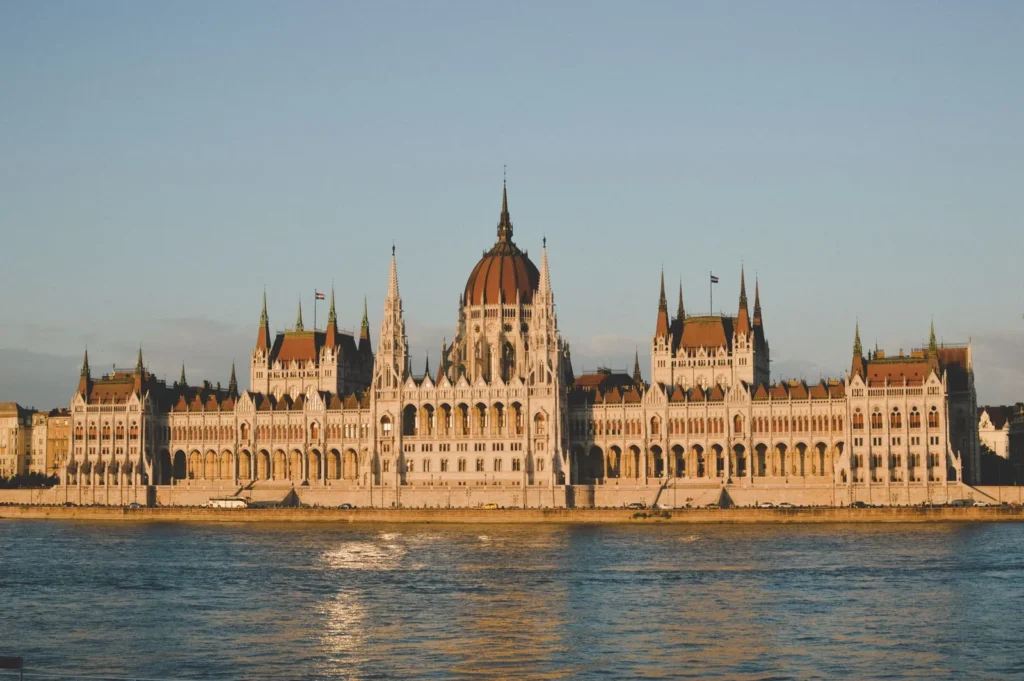
- Hungary: Budapest is no longer a secret, but thermal baths, river views and walkable neighbourhoods still make it good value.
- Bulgaria: Sofia and Plovdiv are among the cheapest capitals and cities in the EU, and the Black Sea coast around Varna and Burgas is a budget beach option. Bulgaria joined the euro on 1 January 2026, so prices are now in euros.
- Romania: Bucharest, Brașov and the painted villages of Transylvania.
- The Western Balkans: Sarajevo and Mostar in Bosnia and Herzegovina, Kotor in Montenegro and the Albanian Riviera are some of the cheapest places in Europe to eat and stay, though tourism prices are rising fast in the most popular spots.
Advisory levels and practical rules differ by country, so my Eastern Europe travel guide is worth reading before you choose.
Southern Europe beyond the big names
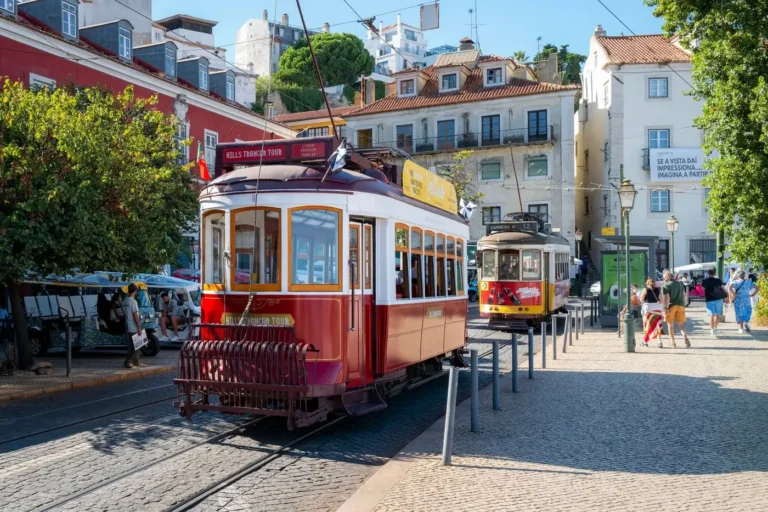
- Portugal: Lisbon and Porto have become pricier, but the Alentejo, the Silver Coast and inland towns like Évora and Coimbra are still good value.
- Spain: Andalusia, especially Granada and Seville outside peak summer, is a classic budget choice. In Granada, many bars still serve a small tapa free with each drink.
- Greece: skip Santorini and Mykonos for Naxos, Paros (outside August) or the mainland, such as the Peloponnese.
- Italy: the south, including Puglia and Sicily, is usually cheaper than Venice, Florence or the Amalfi Coast.
The Baltics
Riga, Vilnius and Tallinn are compact, walkable capitals with medieval old towns. Prices are higher than in the Balkans, but lower than in Scandinavia, and short ferry or bus hops connect them.
Timing: the cheapest way to save
The single biggest factor is the season. July and August are the most expensive months almost everywhere, especially on the coast. The shoulder months, April to early June and mid-September to October, bring lower hotel prices, fewer crowds and usually pleasant weather in the south.
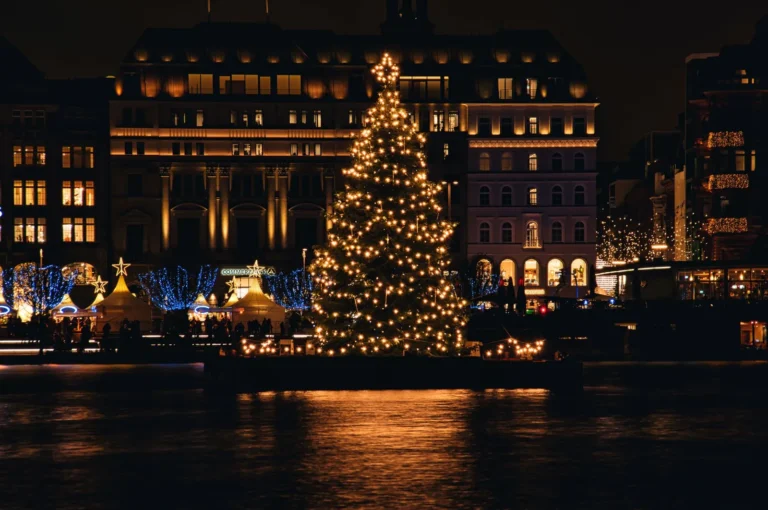
Winter is the cheapest time for cities, with the exception of Christmas markets and ski resorts. Check the dates of big events too: a festival, a football final or a trade fair can double hotel prices for a week. My where to travel each month calendar shows when each region is at its best.
Getting around for less
Recommended Products


Budget airlines: read the bag rules
Low-cost airlines are often the cheapest way to cross Europe, but the headline fare usually includes only a small under-seat bag. A cabin bag, a checked bag or a seat can cost more than the ticket. Compare the total, and check the sizes in my carry-on size and weight limits comparison before you book. Also factor in the trip to the airport, as some budget airlines use airports far from the city.
Trains and buses
Book long-distance trains early where fares rise as seats sell, as on many high-speed routes in Spain, France and Italy. Regional trains often have fixed, cheap fares. Long-distance buses are usually the cheapest option of all, especially in the Balkans, where rail networks are limited. A rail pass such as Interrail (for European residents) or Eurail (for everyone else) can pay off if you take several long trips, but compare it with single tickets first. My guide to train travel in Europe covers tickets, validation and night trains.
City transport
More and more cities let you tap a contactless bank card on buses and metros, often with a daily cap. Day passes and city cards can also be good value, but only if you will actually use the transport and attractions they include.
Sleeping for less
- Stay one stop out. A guesthouse a short metro ride from the centre is often much cheaper than one in the old town.
- Look beyond hotels. Hostels with private rooms, family-run guesthouses and apartments with kitchens all cut costs, especially for families.
- Stay longer. Many apartments discount weekly stays.
- Budget for tourist taxes. Many cities charge a nightly tax per person, usually paid at check-in or included in the price. It can add a noticeable amount over a week in cities like Amsterdam, Paris or Barcelona.
Recommended Products

Eating well on a budget
- Eat your main meal at lunch. Set lunch menus, such as the menú del día in Spain or the plat du jour in France, are often far cheaper than dinner.
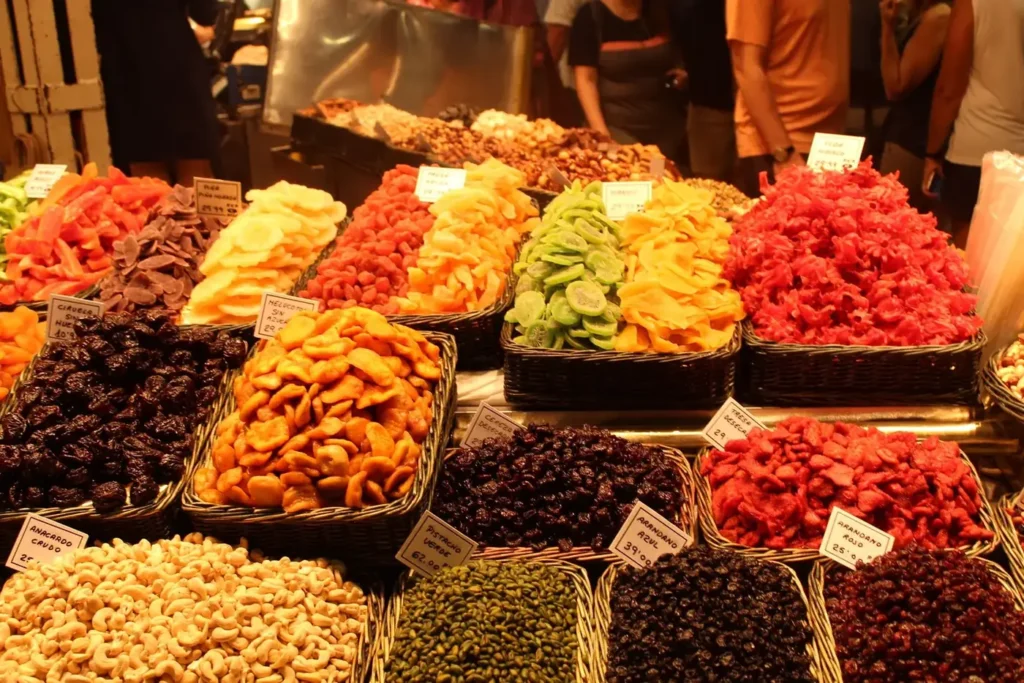
- Shop at markets and supermarkets for picnics and breakfasts.
- Avoid restaurants with picture menus and staff touting outside, especially next to major sights.
- Ask for tap water where it’s safe to drink. In many countries it’s free on request.
Free and cheap sightseeing
Many of Europe’s best experiences cost little or nothing: parks, churches, markets, viewpoints and free walking tours (tip the guide). A few big museums have free times worth planning around:
- Italy: state museums and archaeological sites, including the Colosseum and the Pantheon, are free on the first Sunday of each month. Expect crowds.
- Madrid: the Prado’s permanent collection is free in the last two hours of the day (18:00 to 20:00 Monday to Saturday, 17:00 to 19:00 on Sundays and holidays), according to the museum’s official site.
- London: the British Museum, the National Gallery and Tate Modern are free for their permanent collections.
More ideas, city by city, are in my guide to free and low-cost attractions in major cities.
Costs that catch people out
- Card fees and exchange rates. Use a card without foreign transaction fees, and when a card machine asks whether to pay in your home currency or the local one, choose the local currency. The “home currency” option usually comes with a poor exchange rate.
- Entry fees for places that used to be free. Since February 2026, non-residents pay €2 to stand by the water at Rome’s Trevi Fountain. Venice charges day-trippers an access fee on set dates; the 2026 dates have ended, and the city says the next fee dates start in March 2027.
- New border rules. The EU’s Entry/Exit System now registers non-EU travellers’ fingerprints and photos at Schengen borders, which can mean longer queues the first time. The separate ETIAS travel authorization (€20) is not running yet and has no confirmed start date; the EU says it will announce the launch months in advance on its official ETIAS site. Don’t pay third-party websites that claim to sell it now.
- Tourist scams. Most cost a few euros, but some cost far more. My guide to tourist scams by region covers the European classics.
Recommended Products



Frequently asked questions
What is the cheapest country to visit in Europe?
Bulgaria, Albania, Bosnia and Herzegovina, North Macedonia and Romania are usually among the cheapest. In the EU, Bulgaria is often the least expensive for food and accommodation.
When is the cheapest time to travel to Europe?
For cities, late autumn and winter (outside Christmas) are usually cheapest. For a mix of decent weather and lower prices, aim for April, May, late September or October.
Is a rail pass cheaper than buying tickets?
It depends on how many long journeys you take and where. Passes often need seat reservations on high-speed and night trains, which cost extra. Price your route both ways before buying.
Do I need ETIAS to travel to Europe?
Not yet. ETIAS has not launched and there is no confirmed start date. Check the EU’s official site before you travel, since the launch will be announced in advance.