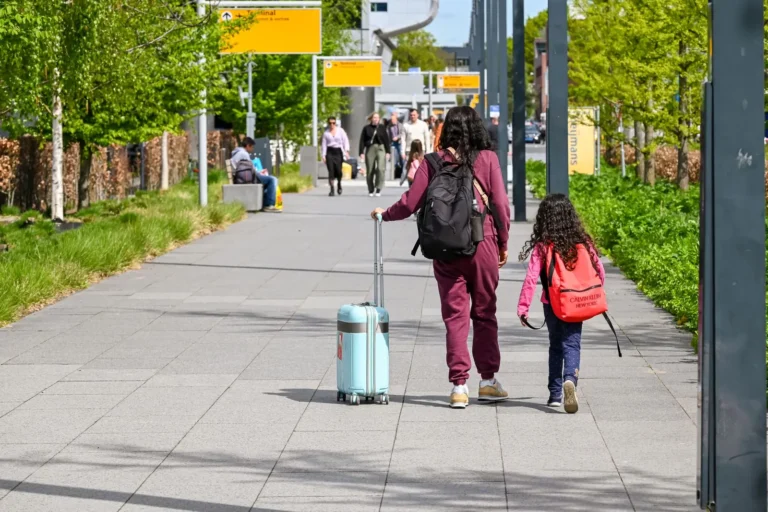
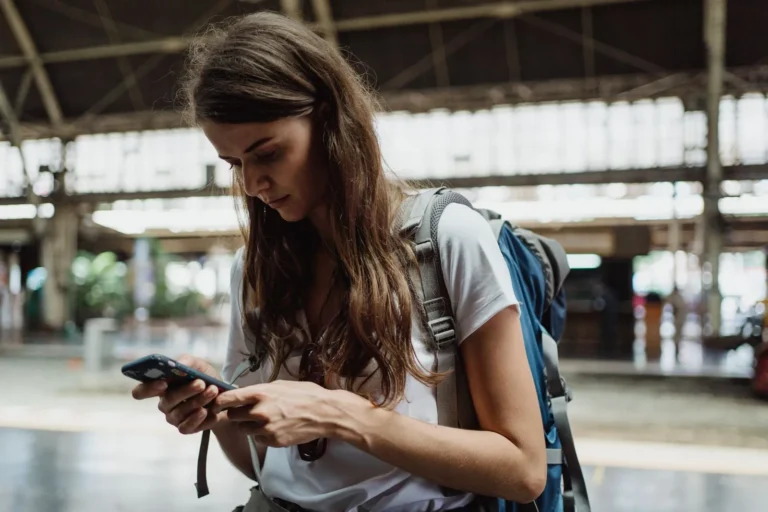
Solo travel safety advice is everywhere, and most of it is the same ten lines repeated. So I went looking for the guides written by people who have actually spent years traveling alone, and who explain the why behind each habit. These seven are the ones I keep sending to friends before their first solo trip.
Each entry links to the original post, and the photos belong to the bloggers credited under them. My notes are about what each guide does especially well, so you can pick the one that fits the kind of trip you’re planning.
Last reviewed: November 2026. All links checked and working on this date.
1. Adventurous Kate: the ten habits that cover most situations
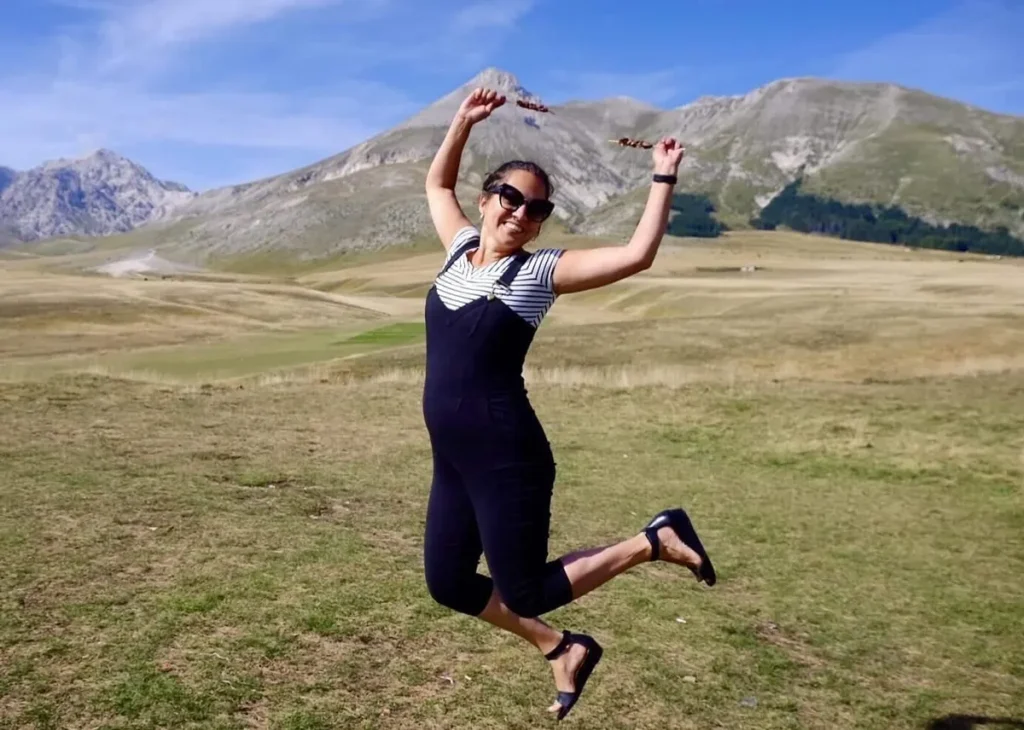
Kate McCulley’s list is short on purpose. Ten tips, each with a real explanation: research your destination properly, keep your valuables physically on you while you’re in transit, lock up whatever you don’t need, and don’t hand your trust to people too quickly. It’s the guide I’d give someone who wants the essentials without reading for an hour.
The point I like most is “spend extra money on staying safe.” It’s honest about the trade-off every budget traveler faces, like the cheaper bus that arrives at 2 a.m. or the hostel in a dodgy area, and it gives you permission to pay for the safer option. Her section on keeping emergency documents and hidden cash is worth copying straight into your packing list.
Read Top 10 Travel Safety Tips for Women on Adventurous Kate
2. Finding Alexx: the most thorough checklist of the bunch

If Kate’s post is the short version, Alexx’s is the full manual: more than 35 tips, starting with practical setup like an eSIM so you always have data and a way to make local calls. It moves on to booking in advance, checking reviews for accommodation and tours, and trying to arrive during daylight.
What makes it stand out is one distinction I wish more guides made: feeling unsafe is not the same as feeling uncomfortable. New places are often uncomfortable, and that’s fine. Learning to tell the two apart is what lets you trust your gut when it really matters. She also suggests a door stop or personal alarm, which is a cheap, easy win for hotel rooms and rentals.
Read 35+ Solo Travel Safety Tips on Finding Alexx
3. Be My Travel Muse: safety that doesn’t make you hide in your room

Kristin Addis organizes her 41 tips into themes: trusting your gut, staying aware so you’re less of a target, and talking to locals. That last section is what makes this guide different. Instead of treating every stranger as a threat, it suggests things like taking a walking tour on your first day, so you get your bearings with a local guide before you explore alone.
The line “politeness is never more important than safety” deserves a sticky note on every solo traveler’s mirror. Plenty of bad situations start because someone didn’t want to seem rude. Her practical tricks, like not wearing headphones while walking and pretending to be on a call when you want to be left alone, are simple and easy to remember.
Read 41 Ways to Stay Safe While Traveling Alone on Be My Travel Muse
4. Caroline Rose Travel: the pre-trip setup, done right

Caroline’s guide is strongest on the boring-but-vital work you do before you leave. Download offline maps and a translation app, share your live location with someone at home, forward your reservations to them, and sign up for the US State Department’s STEP program while giving a trusted person a copy of your passport.
Two tips here are easy to overlook. First, avoid transport that has you leaving or arriving in the middle of the night, even if it’s cheaper. Second, don’t post your location on social media in real time. Share the beach photo after you’ve left the beach. Both cost you nothing and remove a lot of risk.
Read Practical Solo Travel Safety Tips on Caroline Rose Travel
5. Nomadic Matt: eleven rules, including a few clever extras
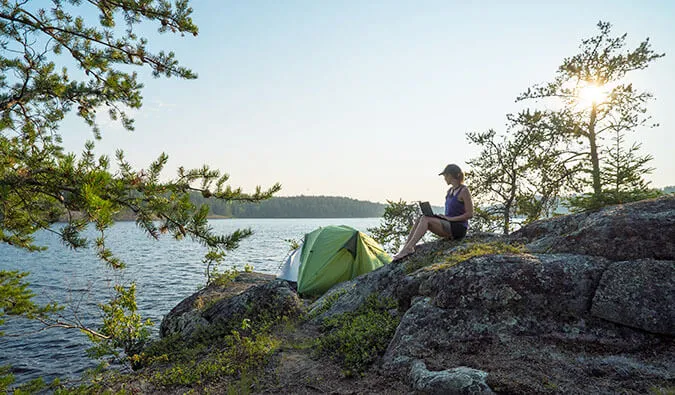
This guide on Nomadic Matt’s site covers the classics, like trusting your instincts, being comfortable saying no, dressing for local norms and copying your documents. It also adds a couple of practical extras I don’t see often enough: carrying a dummy wallet you can hand over if you’re ever robbed, and keeping a whistle on you.
It also has a section on using dating apps carefully while traveling, which most safety lists skip entirely even though plenty of solo travelers use them. Knowing the local emergency number before you land is another small step that pays off if something goes wrong.
Read 11 Ways to Stay Safe When You Travel as a Female on Nomadic Matt
6. Twirl the Globe: quick, confident, street-level habits

Twirl the Globe keeps things brief and practical: get a local SIM, share your location and your itinerary, and know the local version of 911 before you need it. It’s a good read the night before you fly, when you don’t want a 5,000-word manual.
Most of it is about body language. Walk with confidence, skip the headphones, and look like you know where you’re going even when you’re not sure. That’s often what decides whether someone picks you out as an easy target.
Read Solo Travel for Women: Safety Tips on Twirl the Globe
7. Convos with Karen: hotels, rides and your digital footprint
Karen’s seven tips include two areas the others only touch on: hotel safety for a good night’s sleep, and cyber safety while you travel. Public Wi-Fi, oversharing and lost devices are real risks on the road, and they get far less attention than pickpockets.
She also covers using Uber, Lyft and taxis sensibly and checking in with someone at home every day. A daily check-in sounds almost too simple, but it means that if something does go wrong, someone notices within hours rather than days.
Read 7 Travel Safety Tips for Women Traveling Alone on Convos with Karen

What all seven agree on
Our own guide to staying safe while traveling alone in foreign countries goes deeper on each of these, and the trip safety checklist turns them into a printable list you can tick off before you go. If you’re staying in rentals, our accommodation safety tips cover door locks, check-in and what to look for in reviews. And if something does go wrong, keep what to do in a travel emergency abroad bookmarked on your phone.
Read these side by side and the same handful of habits keep coming up. If you only do five things, do these:
- Someone at home knows your plan. Share your itinerary and location, and check in regularly.
- You can always get online and call for help. Sort out an eSIM or local SIM, and save the local emergency number.
- Your gut gets the final vote. Being polite never outranks leaving a situation that feels wrong.
- Arrivals happen in daylight. Pay a little more to avoid landing somewhere new at 2 a.m.
- A backup exists. Copies of documents, an emergency card and some hidden cash, kept apart from your main wallet.
Are you a blogger featured here and want something changed? Contact us at [email protected] and we’ll sort it out quickly.