


Have you ever wondered if saying “safe travels” in an email is appropriate? You’re not alone. Many people face this dilemma when wishing friends or colleagues well before a trip. It can feel tricky to strike the right tone, especially in professional settings.
Imagine sending a quick note to a coworker heading out for a business trip. You want to express your good wishes without sounding too casual. This article will help you navigate that fine line. By exploring the nuances of saying “safe travels,” you’ll gain confidence in your email communication. Whether it’s for a friend or a work colleague, you’ll know just how to convey your sentiments effectively.
Key Takeaways
- Understanding the Phrase: “Safe travels” conveys goodwill and is suitable for both personal and professional contexts based on your relationship with the recipient.
- Contexts for Use: Use “safe travels” in informal emails for friends and family, and in professional settings when your rapport allows for a warmer tone.
- Alternatives to Consider: If “safe travels” feels too casual, alternatives like “Wishing you a pleasant journey” or “Travel safely” maintain warmth while respecting formality.
- Know Your Audience: Gauge the level of formality in your relationship to decide when to use “safe travels” or its alternatives.
- Cultural Perspectives: Being aware of different cultural expressions of travel wishes can enhance your communication and foster better relationships.
- Tailor Your Message: Customize your email based on the trip’s purpose to show consideration and strengthen your connection with the recipient.
Understanding the Phrase “Safe Travels”
“Safe travels” expresses goodwill for someone embarking on a trip. It conveys a wish for safety and enjoyable experiences during their journey. The phrase fits well in both personal and professional contexts, depending on your relationship with the recipient.
Contexts for Use
- Personal Communication: You can use “safe travels” when emailing friends or family. It deepens your connection and shows you care about their well-being.
- Professional Communication: In a work setting, saying “safe travels” maintains professionalism while adding warmth. It’s suitable when a colleague goes on a business trip or you send good wishes to a client.
When It’s Appropriate
- Informal Emails: It’s perfectly fine to use “safe travels” in casual messages. It helps create a friendly tone in your conversation.
- Formal Emails: Use “safe travels” in a less formal way, especially if your relationship with the recipient allows for it. Consider pairing it with a professional closing, like “Best regards” or “Sincerely.”
Alternatives to Consider
If “safe travels” feels too casual for your email, you might choose phrases like:
- “Wishing you a pleasant journey”
- “Travel safely”
- “Enjoy your trip”
These alternatives maintain a warm tone while keeping formality in check.
- Know Your Audience: Gauge the formality of your relationship to decide on using “safe travels.”
- Be Mindful of Timing: Send your message close to their departure to make it feel timely and relevant.
- Tailor Your Message: Customize your email based on the trip’s purpose. A short, heartfelt note works well for vacations, while a more formal approach suits business trips better.
Incorporating “safe travels” thoughtfully enhances your communication and shows consideration for the recipient’s journey.
The Context of Email Communication
Understanding the context of your email communication shapes how you express good wishes like “safe travels.” The setting can influence whether the phrase feels appropriate or not.
Professional Settings
In professional emails, tone matters. “Safe travels” suits informal exchanges, such as when you know your colleague well or have a friendly rapport. For instance, if a coworker is traveling for a meeting or conference, saying “safe travels” adds warmth to your message. However, in more formal communications, consider the recipient’s expectations. Opt for phrases like “Wishing you a pleasant journey” to maintain professionalism.
Tips for Professional Settings:
- Gauge your relationship with the recipient.
- Use the phrase in casual correspondence or when closing a friendly email.
- Avoid using it in high-stakes communications, where formality is essential.
Personal Correspondence
In personal emails, “safe travels” fits seamlessly. This phrase conveys care and good wishes for friends or family venturing on a trip. It enhances connections and shows you value their safety and enjoyment. Whether it’s a vacation or a visit, saying “safe travels” feels genuine and thoughtful.
Examples of Personal Usage:
- When a friend shares their travel plans: “Safe travels! Can’t wait to hear all about it.”
- In a farewell email to a family member: “I hope you have a fantastic trip! Safe travels!”
- Personalize your message to reflect your relationship.
- Pair it with other well-wishes for a more heartfelt touch.
- Use it liberally since it fosters a sense of closeness and support.
Cultural Perspectives on Travel Wishes
Understanding cultural perspectives on travel wishes enhances your communication. Different cultures often vary in their expressions of goodwill, impacting how phrases like “safe travels” are received.
Different Countries, Different Norms
Many countries use unique phrases to wish travelers well. For example:
- Japan: Saying “良い旅を” (Yoi tabi o) translates to “Have a good trip.” This phrase is commonplace and offers warmth.
- Germany: The expression “Gute Reise” similarly wishes safe travels. It’s used in both formal and informal contexts.
- Mexico: People often say “Buen viaje,” which conveys friendly and caring sentiments.
In each case, understanding the local customs in travel wishes fosters better relationships and demonstrates respect.
The Impact of Language
Language affects how messages convey good wishes. Using the right words according to the recipient’s language can strengthen connections. For instance:
- Spanish speakers appreciate “¡Buen viaje!” which adds a personal touch.
- French speakers respond positively to “Bon voyage!” showing warmth and friendliness.
Using the recipient’s language, when possible, provides a sense of belonging and shows that you’ve taken time to connect. Adjusting your phrase enhances the sentiment and strengthens your rapport, making your communication more effective.
Alternatives to “Safe Travels”
When “safe travels” doesn’t fit the tone you want, consider these alternatives:
Recommended Products
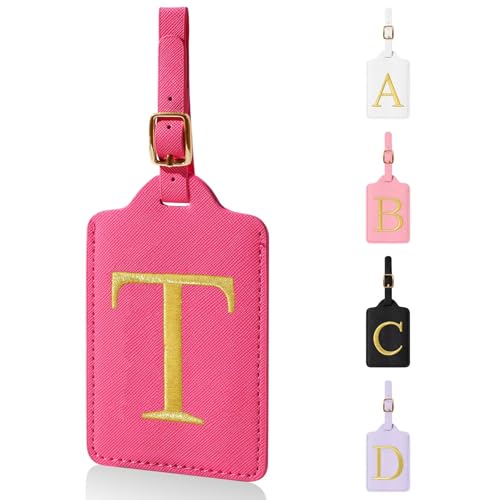
【Embroidered Initial Luggage Tags】:With embroidered letters on each tag, these personalized initial luggage tags with your initials help find your luggage easily on the luggage carousel; stand out from the crowd and speed up your luggage get the experience.

📶 25GB High-Speed Data + 5G Access – Stream, browse, and navigate the UK effortlessly with generous 5G data on O2, the UK's award-winning coverage provider.

Give the gift of an Audible-branded Amazon gift card! Recipients can redeem it for subscriptions or choose from our selection of thousands of captivating audiobooks, podcasts, and Audible Originals through Amazon.com or Audible.com. Learn how to use gift card for Audible here: help.audible.com/s/article/use-an-amazon-gift-card.
Wishing You a Pleasant Journey
This phrase conveys good wishes while maintaining professionalism. It’s versatile for both personal and work-related emails, making it a great choice.
Travel Safely
Short and straightforward, this option is perfect for any type of traveler. Use it when you want to emphasize safety without losing a friendly tone.
Have a Great Trip
This expression focuses more on the enjoyment aspect of traveling. It’s suitable for casual settings and conveys excitement along with warmth.
Bon Voyage
This French phrase adds an international flair. It works well in casual emails and shows cultural awareness.
Enjoy Your Adventure
This phrase invites a sense of exploration and fun. It’s particularly fitting for friends or family heading on exciting journeys.
Journey Well
A more unique alternative, this phrase combines well-wishing with a professional touch. It suits formal emails but remains heartfelt.
Until We Meet Again
This implies a sense of anticipation upon the traveler’s return. Use this in personal communications to strengthen your connection.
Choose an expression that aligns with the recipient and context. Whether for personal or professional emails, these alternatives help you convey goodwill while maintaining your desired tone.
Conclusion
Wishing someone “safe travels” in an email can be a warm and thoughtful gesture. It’s a simple way to show you care about their journey whether it’s a friend heading off on vacation or a colleague going on a business trip.
Just remember to consider your relationship with the recipient and the context of your message. If you feel comfortable and the setting allows for it, go ahead and use this phrase to brighten someone’s day.
With the right touch, you can make your email more personal and meaningful. So next time you know someone’s traveling, don’t hesitate to send those good vibes their way. Safe travels can be a lovely way to connect and show you’re thinking of them.
Frequently Asked Questions
Is it appropriate to say “safe travels” in professional emails?
Yes, “safe travels” can be appropriate in professional emails, especially if you have a friendly rapport with the recipient. It adds a personal touch while still conveying goodwill. However, in more formal situations, consider using alternatives to maintain professionalism.
What are some good alternatives to “safe travels”?
If “safe travels” feels too casual, you can use alternatives like “Wishing you a pleasant journey” or “Travel safely.” For more casual contexts, consider saying “Have a great trip” or “Enjoy your adventure.”
Can I use “safe travels” in personal emails?
Absolutely! In personal correspondence, “safe travels” is a great way to express care and good wishes. It helps deepen connections with friends and family, making your message feel warm and sincere.
How do different cultures express travel wishes?
Various cultures have unique expressions for wishing someone safe travels. For example, in Japan, you might say “良い旅を” (Yoi tabi o), while in Germany, it’s “Gute Reise,” and in Mexico, “Buen viaje.” Understanding these can enhance your communication.
What should I consider before saying “safe travels”?
Before using “safe travels,” consider your relationship with the recipient and the context of your email. Gauge the tone needed, ensure it’s not a high-stakes communication, and personalize your message to make it more meaningful.
