
Have you ever wondered how safe it really is to travel by bus? With so many options available, it’s easy to feel uncertain about your choice. Picture this: you’re planning a trip and considering hopping on a bus to save money and enjoy the scenery. But safety concerns might be lurking in the back of your mind.
This article will help you navigate those concerns by breaking down the safety statistics, regulations, and tips for a secure journey. You’ll discover how bus travel compares to other forms of transportation and what you can do to ensure a smooth ride. By the end, you’ll feel more confident about your travel plans and ready to hit the road.
Key Takeaways
- Bus Travel Safety Ranking: Buses are among the safest modes of transportation, with significantly lower accident rates per mile compared to cars and motorcycles.
- Strict Safety Regulations: Commercial bus operators must comply with strict safety regulations enforced by the Federal Motor Carrier Safety Administration (FMCSA), covering vehicle maintenance and driver qualifications.
- Extensive Driver Training: Bus drivers receive comprehensive training, including defensive driving, emergency procedures, and mandatory safety protocols to ensure passenger safety.
- Modern Safety Features: Advanced features in modern buses, such as electronic stability control, anti-lock braking systems, and seatbelts, enhance passenger security and overall safety.
- Informed Travel Choices: Researching reputable bus companies and following basic safety tips, such as arriving early and staying aware of your surroundings, contribute to a safer travel experience.
- Comparative Safety: Bus travel compares favorably against cars and motorcycles, with lower fatalities reported—making it a sound choice for longer trips or when budget-friendly options are needed.
Overview Of Bus Travel Safety
Bus travel ranks as one of the safest modes of transportation. Statistics show that buses have a lower accident rate per mile compared to cars and motorcycles. According to the National Highway Traffic Safety Administration (NHTSA), bus passengers experience significantly fewer fatalities in accidents than occupants of passenger vehicles.
Recommended Products

1.Safety & durability : unlike other car seat mirrors, our baby mirror can be placed on the center console of the car, offering a crystal clear view of your baby; it will increase vehicle safety index without looking back whilst driving so we as parents can feel safe and secure.

STAYS IN PLACE & GENTLE ON SKIN: Genuine sheepskin cover with anti-slip backing and strong Velcro closure keeps the pad from sliding down or bunching up, preventing neck chafing even on long drives.

STAYS IN PLACE & GENTLE ON SKIN: Genuine sheepskin cover with anti-slip backing and strong Velcro closure keeps the pad from sliding down or bunching up, preventing neck chafing even on long drives.
Safety Regulations
Buses must adhere to strict safety regulations. The Federal Motor Carrier Safety Administration (FMCSA) oversees commercial bus operators, enforcing rigorous standards for vehicle maintenance and driver qualifications. These regulations require regular inspections, training, and compliance with safety protocols.
Driver Training
Bus drivers undergo extensive training to ensure safety. They must possess specialized licenses and complete mandatory safety training programs. This training covers various areas, including defensive driving techniques, emergency procedures, and passenger safety.
Safety Features
Modern buses are equipped with advanced safety features. These features often include electronic stability control, anti-lock braking systems, and improved visibility through large windows and mirrors. Many newer models also incorporate seatbelts and bus cameras to enhance security and monitor driving behavior.
Travel Tips for Safety
Taking some basic precautions enhances your safety when traveling by bus:
- Choose Reputable Companies: Research reviews and safety records of bus companies before booking your trip.
- Arrive Early: Arriving early ensures you have time to board without rushing and allows you to familiarize yourself with the bus environment.
- Stay Aware: Keep your belongings secure and stay attentive to your surroundings throughout your journey.
- Follow Instructions: Listen to safety briefings provided by the bus staff for a safer experience.
- Use Seatbelts: When available, always wear your seatbelt to reduce the risk of injury in case of sudden stops or accidents.
Compare With Other Transportation
Bus travel compares favorably with other forms of transportation. For instance, flying has its own risks, while car travel involves higher chances of accidents. Buses often provide a safer alternative, particularly for shorter distances.
Bus travel is a safe option. By choosing reputable companies and following safety guidelines, you can enjoy a secure and pleasant journey.
Factors Affecting Bus Safety
Several factors influence the safety of bus travel. Understanding these elements helps you make informed decisions when choosing this transportation option.
Driver Experience and Training
Driver experience and training play crucial roles in bus safety. Bus drivers receive extensive training that covers defensive driving, passenger safety protocols, and emergency responses. They often complete rigorous testing before obtaining their commercial driver’s license. For example, drivers typically undergo background checks and must log a specified number of hours behind the wheel before transporting passengers. The higher the driver’s experience level, the more adept they become at navigating challenging road conditions.
Vehicle Maintenance and Standards
Regular vehicle maintenance is vital to ensure bus safety. Buses must comply with strict regulations established by the Federal Motor Carrier Safety Administration (FMCSA), which requires routine inspections and maintenance checks. These inspections cover essential systems, including brakes, tires, and lights. Many reputable bus companies adhere to a strict maintenance schedule and have certified mechanics on staff. When choosing a bus for travel, look for companies that prioritize vehicle upkeep, as this significantly reduces the chances of mechanical failures on the road.
Road Conditions and Traffic
Road conditions and traffic can greatly impact bus travel safety. Factors such as weather, construction, and traffic density affect overall safety. For instance, buses may struggle to navigate during heavy rain or snow, increasing the risk of accidents. Additionally, congested roads often lead to longer travel times and more potential for collisions. Staying aware of road conditions before your journey can enhance safety. Always check traffic updates and weather forecasts to gauge how these conditions might affect your trip.
Comparing Bus Safety To Other Modes of Transportation
Bus travel ranks high in safety compared to cars, motorcycles, and trains. Statistics reveal that buses are among the safest forms of transportation available. For instance, the NHTSA indicates that buses have lower accident rates per mile than passenger vehicles.
Recommended Products

PORTABLE DEDIGN: Measuring 7.9"x5.1"x2"(20x13x5cm) and weighing 0.5 lbs(224g). The compact size of our medical kit makes it easy to carry and store in your backpack, car, or any other location you may need it. Whether you're going on a hiking or camping trip, or heading out on a road trip, our first aid kit will be there to provide you with the essential medical supplies you need in case of emergencies. This small emergency kit can also be easily hung on your backpack.

**Dual-Layer Theft Protection**: Lock both zippers simultaneously with our double-opening carabiner design, creating a physical barrier against pickpockets in crowded airports, buses, or urban areas. Secures backpacks, luggage, duffel bags, messenger bags, and camping gear,Especially as travel essentials for women's safety

【Things you may need】: This roadside assistance packages is a perfect gift.Contain the necessary roadside kits, snow shovel, flashing lights, reflective triangle warning signs, advanced jumpers (8.2 foot), powerful towing rope, safety hammer and seat belt cutters, life blankets, raincoats, compasses and more!
Bus vs. Car Safety
- Buses experience 0.2 fatalities per 100 million miles traveled, while passenger cars average 7.3 fatalities per 100 million miles.
- Buses benefit from larger size and weight, enhancing their stability and protection during accidents.
- The presence of trained drivers further elevates safety, as they practice defensive driving and emergency preparedness.
Bus vs. Motorcycle Safety
- Motorcycles show a significantly higher risk, with over 60 fatalities per 100 million miles traveled.
- Buses provide enclosed seating, shielding passengers from external hazards, unlike motorcycles that expose riders to greater danger.
Bus vs. Train Safety
- Despite trains being generally safe, they serve specific routes, limiting flexibility. Buses offer door-to-door service, adding convenience.
- Train accidents, while rare, tend to involve higher fatalities due to the nature of collisions, whereas bus accidents usually result in fewer severe injuries.
- Choose reputable bus operators with strong safety records and positive customer reviews.
- Arrive early to avoid rushing, and stay aware of your surroundings at bus stops.
- Follow driver and staff instructions, especially during emergencies, to ensure your safety.
By understanding how bus travel compares with other transport modes, you can see the advantages of choosing buses for your trips. Buses offer safety features, trained drivers, and regulations that prioritize passenger well-being.
Safety Measures Implemented By Bus Companies
Bus companies implement numerous safety measures to protect passengers during their travels. These measures encompass advanced technology, rigorous training, and well-defined emergency protocols.
Recommended Products

USKITS DOT Economy OSHA ANSI Compliant Truck Safety Kits for Enhanced DOT Compliance and Road Safety
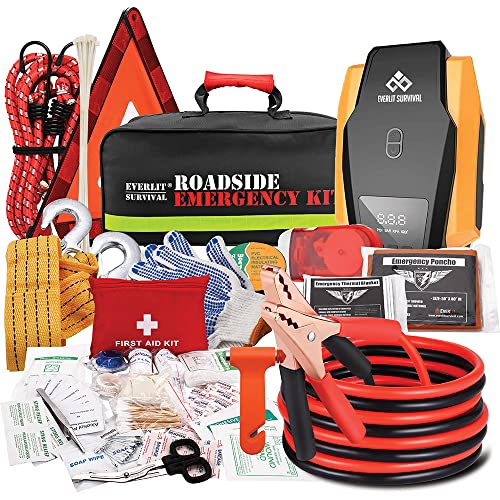
The Road Guardian- The portable roadside assistance kit is designed and hand picked by a group of experienced veterans and experts to provide every essential tools you need in roadside emergencies. The automotive safety bag contains accessories such as repair cable ties, bungee cords, electrical tape, space blanket, rain poncho, reflective warning triangle, glass breaker, seatbelt cutter, safety gloves, tow rope and more to get your vehicle back on the road and continue your travel.

【Stay Safe On The Road】Be prepared with this compact,practical emergency roadside kit for car,including Jumper Cables,Tow Rope,Safety Hammer,Reflective Warning Triangle,Reflective Safety Vest,Tire Pressure Gauge, Safety Gloves, Hand-pressing flash light,Screwdriver,Rain Coat,Snow shovel,PVC Tape,Voltage Tester,Fuse Set,Whistle and Multi-function tool card so you can quickly and confidently get back on the road.
Technology and Innovations
Bus companies leverage innovative technology to enhance safety. Many modern buses come equipped with electronic stability control systems that prevent skids and help maintain vehicle stability. GPS tracking systems monitor routes in real-time, allowing for quick adjustments in response to traffic or weather conditions. Cameras installed both inside and outside the bus provide continuous surveillance, helping deter unsafe behavior among passengers and drivers. Vehicles also feature automated braking systems that can detect obstacles and prevent collisions.
Emergency Protocols
Bus companies establish strict emergency protocols to ensure passenger safety. In the event of an emergency, drivers follow defined procedures, including notifying authorities and guiding passengers to exits. Regular drills ensure drivers and staff are prepared for various emergencies, from vehicle breakdowns to accidents. Additionally, buses carry first aid kits and safety equipment like fire extinguishers, enhancing readiness for unforeseen situations. Passengers receive guidance on emergency exits and procedures during the ride, ensuring everyone knows how to respond effectively if necessary.
Common Concerns And Misconceptions
Bus travel safety often faces skepticism. Here are common concerns, with clarifying information.
Perception of Danger
Many perceive buses as dangerous due to size and visibility in accidents. In reality, buses are designed with safety in mind. Their larger size shields passengers and reduces impact severity during collisions.
Driver Competence
Some worry about driver qualifications. Bus drivers undergo comprehensive training and rigorous testing. They learn defensive driving and emergency response techniques, ensuring that they handle various situations effectively.
Maintenance Standards
Concerns about bus maintenance also arise. Buses adhere to strict inspection regulations. These requirements ensure that vehicles receive routine checks, reducing the likelihood of mechanical failures.
Emergency Situations
You might question how buses handle emergencies. Modern buses have established protocols. Drivers practice these procedures regularly, preparing them to manage real-life scenarios efficiently.
Safety Comparisons
Many compare bus safety to that of cars. Buses provide a significantly lower fatality rate. For instance, while passenger cars experience 7.3 fatalities per 100 million miles, buses report only 0.2 fatalities.
Theft and Personal Security
Passengers often fear theft or personal safety on buses. Staying alert and choosing reputable companies minimizes these risks. Most bus companies implement surveillance and employ staff to ensure passenger security.
Perceived Inconvenience
Some believe buses are inconvenient. However, buses often offer direct routes and scheduled stops. Advanced technology enables companies to provide timely arrivals, enhancing travel efficiency.
Comfort and Space
Concerns about comfort arise, with some fearing cramped seating. Modern buses feature spacious interiors with amenities. Comfortable seating arrangements and onboard restrooms improve the travel experience.
By addressing these concerns, you can gain confidence in bus travel safety. Understanding the facts dispels myths and enhances peace of mind during your journey.
Conclusion
Traveling by bus can be a safe and enjoyable experience. With strict safety regulations and well-trained drivers you can feel confident in your choice. The advanced safety features in modern buses and the lower accident rates compared to other modes of transportation further enhance your peace of mind.
By following practical tips and staying aware during your journey you can ensure a smooth ride. So next time you’re planning a trip consider hopping on a bus. You might just find it’s a great way to travel safely while enjoying the scenery along the way.
Frequently Asked Questions
Is bus travel safe?
Yes, bus travel is one of the safest modes of transportation. It has a lower accident rate per mile compared to cars and motorcycles. According to the NHTSA, bus passengers experience significantly fewer fatalities than those in passenger vehicles.
What safety regulations do buses follow?
Buses must comply with strict safety regulations enforced by the Federal Motor Carrier Safety Administration (FMCSA). These regulations cover vehicle maintenance, driver qualifications, and training requirements to ensure passenger safety.
Are bus drivers trained for emergencies?
Yes, bus drivers receive extensive training, including defensive driving techniques and emergency procedures, to ensure they can handle various situations effectively and keep passengers safe.
What safety features do modern buses have?
Modern buses are equipped with advanced safety features like electronic stability control, GPS tracking, seatbelts, and surveillance cameras, which help ensure passenger safety during travel.
How can I enhance my safety while traveling by bus?
To enhance safety, choose reputable bus companies, arrive early, stay aware of your surroundings, follow staff instructions, and always use seatbelts during your journey.